Advocacy
We Pay Attention. We Take Action.
5 Decades of Advocacy
As
the island’s only environmental advocate, the Nantucket Land & Water Council has been protecting the health of our environment and community by safeguarding our land and water resources for over fifty years. NLWC staff members
spend well over 500 hours each year
Paying Attention
- Attending all Nantucket regulatory meetings and voicing concerns where:
- Changes in regulatory policy, procedures and practices could set a dangerous precedent
- Projects that could adversely impact our environment are under discussion
- Advocating for best practices in environmental protection in updates to resource plans and regulations (such as our Harbor Plan and Wetland Regulations)
- Making recommendations on proposed zoning and bylaw changes
- Speaking out on behalf of the environment at Annual Town Meeting
AND
Taking Action
- Hiring and working with expert consultants to assist us with in-depth research, policy and project review
- Initiating or influencing by-law and policy changes and additions to proactively protect our land and water resources (i.e., fertilizer regulations), and to close loopholes in zoning by-laws that have unintended adverse effects on the environment
- Opposing regulatory decisions and the permitting of projects that negatively impact our environment through litigation when necessary
Current Advocacy Initiatives
Protecting Our Waters
Surfside Crossing
Central Issue
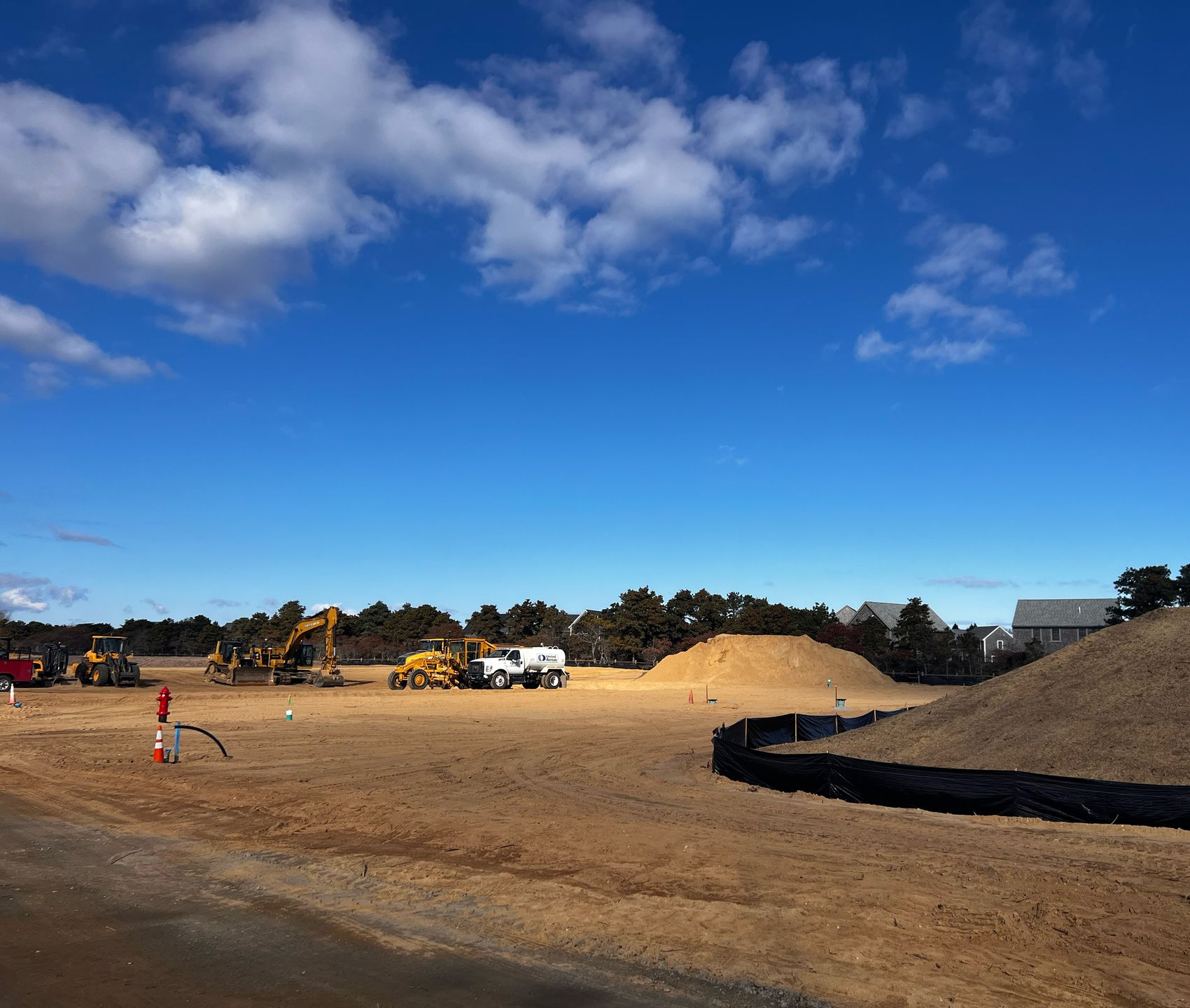
The proposed 156-unit development on 13.6 acres known as Surfside Crossing (SSX) is of inappropriate density (13 x the local zoning) and would compromise our drinking water supply.
Background / History
The project site lies within the Zone II Wellhead Protection Area of Nantucket’s public water supply. Stormwater runoff can carry pollutants such as oil, heavy metals, chemicals including PFAS, pesticides, and nutrients (e.g., nitrogen and phosphorus).
The
aggregate amount of impervious surfaces proposed is three-and-a-half times (3.5x) the limit
imposed by the MA Drinking Water regulations and the Nantucket bylaw. When the Nantucket ZBA considered the original 156-unit project application in 2018, the NLWC’s opposition focused on endangered species habitat that previously existed on the site. There was far less concern or understanding at that time regarding the threat of PFAS and other stormwater contaminants. During the first appeal of the permit issued by the ZBA in 2019 for 60 units, the SSX developers attempted to change the nature and design of the development. The NLWC argued along with the Town and NTP that these changes were significant and should be remanded back to the ZBA for further consideration. In early 2024, Nantucket Superior Court judge Mark Gildea
decided in favor of the NLWC and NTP, and the Surfside Crossing permit was
remanded back to the local ZBA for further review.
Recent Actions
In 2025, the NLWC engaged expert engineering and water-quality consultants, in addition to our attorney, to review the plans submitted by the SSX developers. Our experts presented their findings to the Zoning Board of Appeals (ZBA), highlighting the intense environmental risk associated with the proposal. The ZBA requested that the developers address these and other concerns, but they refused to alter their design or plans. Due to the information and testimony presented by the NLWC’s expert consultants regarding the danger to our public water supply, as well as other public safety and traffic concerns, the ZBA unanimously denied the project. In September of 2025, the developers' appeal of this decision was heard remotely by the state’s Housing Appeals Committee (HAC).
The NLWC participated in this appeal process as an intervening party to defend clean drinking water for Nantucket. In this role, the NLWC worked closely with the counsel for the Town of Nantucket’s ZBA, and the residents’ group, Nantucket Tipping Point (NTP), to file written testimony from the NLWC’s engineer, the ZBA’s engineer, and several water quality and PFAS subject matter experts. During the HAC hearing, the developers’ counsel chose not to cross-examine any of these witnesses; as a result, their written testimony remains unchallenged, leaving the hearing officer without a basis to question their expert opinions.
Desired Outcome
This project threatens the drinking water quality of our public water supply and neighboring private wells, and it
must not proceed. The
NLWC would
support a locally permitted project of suitable density that would preserve our water quality and the integrity of our infrastructure, reduce the impact on the surrounding community, and provide appropriate public benefit in support of island housing needs.
Protecting Our Waters
Artificial Turf
Central Issue
In late 2025, the Nantucket School Committee approved the
Nantucket Public School’s (NPS) request for an estimated $23 million renovation of the Vito Capizzo football field, which
includes an artificial turf field
and a synthetic track. The proposed turf field’s
location lies within
our designated
Wellhead Protection District, where our sole source aquifer directly recharges our
public water supply. Artificial turf fields may
contain or release PFAS, often referred to as “forever chemicals,” which could migrate into groundwater over time. As these systems age and are regularly used, the
plastic blades can degrade, potentially
releasing microplastics, nanoplastics, and associated chemicals
into the environment. Given Nantucket’s sole-source aquifer and reliance on groundwater for drinking water, the NLWC believes it is
crucial to closely examine the potential implications of outdoor artificial turf installations and remains concerned about the long-term risk
of introducing persistent contaminants into
the island’s water supply.
Recent Actions
Based on publicly available information, the NLWC has not yet been able to fully evaluate the scope and completeness of testing conducted on the proposed turf field materials. The NLWC has been
coordinating with our consultants, the
Horsley Witten Group, to assess whether adequate testing has been conducted on all system components
and whether appropriate analytical methods and detection limits have been applied. In addition to engaging Horsley Witten and other expert opinions to properly evaluate this matter, the
NLWC is supporting the Board of Health to exercise its independent authority to evaluate and
address any risks to drinking water resources, including placing a moratorium or implementing a ban on artificial turf installation until the risk to drinking water resources can be fully evaluated by independent third-party analysts.
Desired Outcome
The NLWC’s request for Board of Health involvement reflects our belief that all relevant information should be carefully considered for projects of this scale to fully understand any implications to the community’s health and safety. The NLWC will advocate for comprehensive, lot-specific testing of all project components before any new installation is approved. Additional review is warranted to ensure that any site design and proposed stormwater management include best available technology, particularly given the field’s location over the public water supply. Examining these factors alongside viable alternatives supports sound decision-making that protects community needs and public health.
Well-maintained athletic fields are essential to the physical and mental health of students and the broader community. Grass fields, when properly designed, maintained, and managed, can be improved, repaired, and adapted over time. The NLWC believes that
considering these alternatives alongside proposed installations allows the community to make informed decisions that support athletes while safeguarding shared resources.
Protecting Our Waters
Stormwater Monitoring and Regulations
Stormwater management is essential to protecting water quality. Stormwater runoff can carry pollutants such as oil, heavy metals, chemicals, pesticides, and nutrients (e.g., nitrogen and phosphorus) into our aquifer (drinking water), ponds and marine water bodies. These pollutants can degrade water quality, compromise public health and harm marine ecosystems - including plant life, fish, and shellfish. Nantucket was ahead of its time by installing a stormwater system before many other towns, however, this was done at a time when we were unaware of the pollutant loads stormwater can carry. The Town needs to move forward with infrastructure upgrades, improved maintenance, and the development of stormwater regulations to help protect the health of our waters.
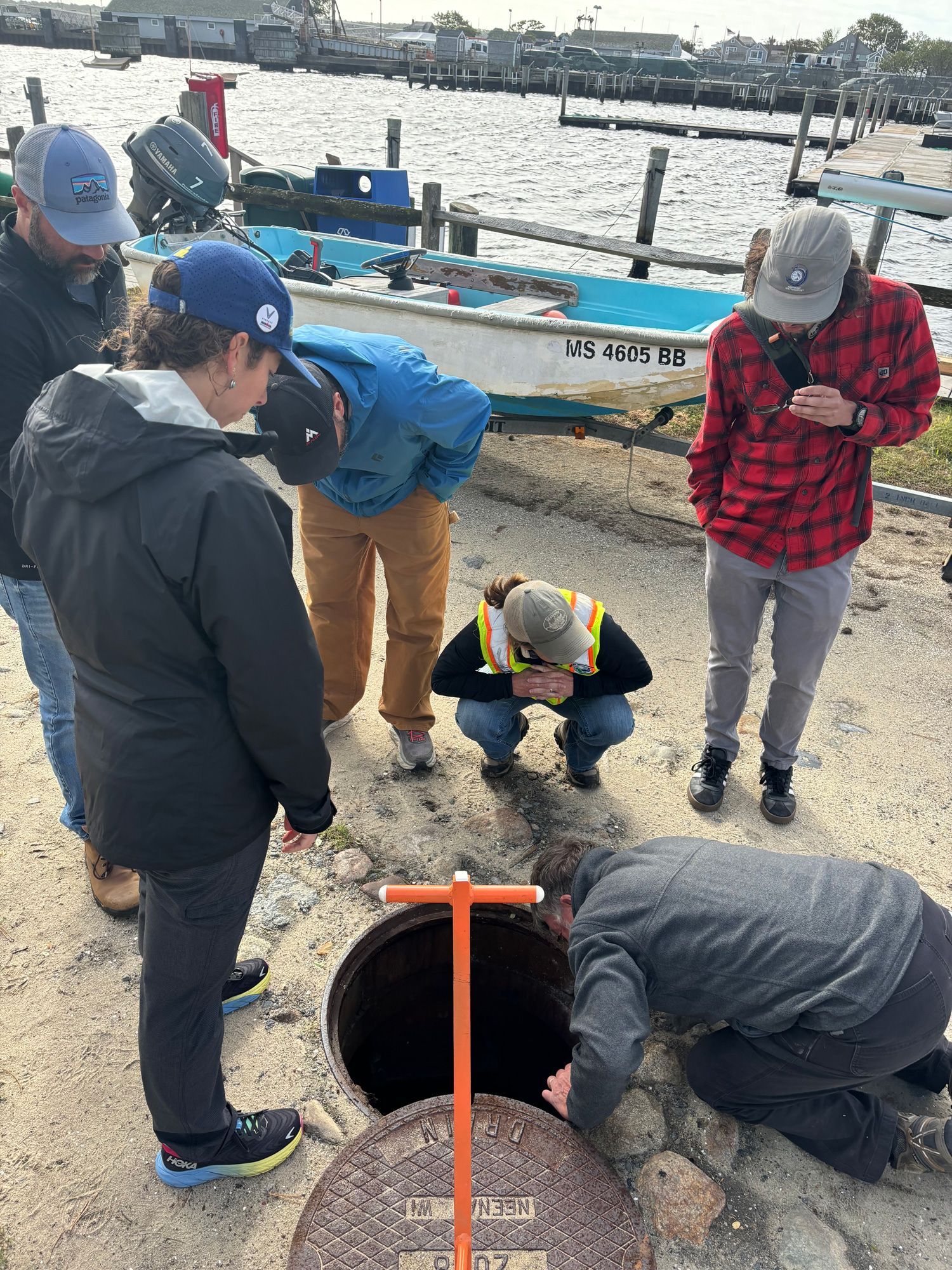
In 2024, the NLWC received a grant from the Great Harbor Yacht Club Foundation to work collaboratively with the Town of Nantucket’s Stormwater Department and other island partners monitoring stormwater runoff at several harbor locations in order to help identify where the harbor is being most adversely impacted and by which pollutants. This data is essential to ensure that changes proposed to improve infrastructure, policies or practices are relevant to today’s needs.
The NLWC has continued to work closely with the Town's Stormwater Department and other island partners to launch a monitoring project to collect baseline data on the quality of our stormwater from outfall pipes that lead directly into Nantucket Harbor. Automatic sampling equipment has been installed for three different sites, and stormwater will be sampled and analyzed throughout 2026. This ongoing project is being generously funded by the Great Harbor Yacht Club Foundation, with support from the Osceola Foundation.
The NLWC is also looking forward to
supporting the Town in the development of new Stormwater Regulations for Nantucket. It is critical that we work to improve the
management of stormwater that impacts our sensitive water resources like the Nantucket Harbor Watershed and our Wellhead Recharge District.
Protecting Our Waters
Septic Regulations
Since early 2025, the
Nantucket Land and Water Council has been actively engaged
in discussions with the Town of Nantucket’s Board of Health around
proposed updates to the Town’s septic system regulations, particularly as they relate to
nitrogen-sensitive areas and drinking water protection. These updates propose mandating upgrades to Enhanced Nutrient Removing Systems (also known as Innovative/Alternative (I/A) systems) within the
Hummock Pond Watershed
and the
Wellhead Protection District. Importantly, the proposed regulations remove the variance that has historically been granted for bedroom credits for the installation of these systems within sensitive resource areas.
A key concern raised early on in this discussion by the NLWC was that
bedroom credit variances were, in practice, contributing to increased development intensity on individual lots, often
without sufficient case-by-case consideration of how different projects would impact groundwater. Our involvement has focused on ensuring that regulatory changes reduce inputs to our groundwater and coastal waters while providing clear standards for homeowners and applicants.
NLWC staff have been working closely with expert consultants, Board of Health members and staff, and the Nantucket Housing Department on this issue. In particular, the NLWC has supported
strengthening requirements for
nitrogen-sensitive areas like the Hummock Pond Watershed, refining how bedroom credits and variances are handled, and
exploring the use of tools in conjunction with bedroom credits, such as deed restrictions for year-round housing within the Wellhead Protection District, that
improve environmental outcomes while still addressing housing priorities.
Protecting Our Waters
Offshore Wind
Central Issue
The
Nantucket Land & Water Council supports alternative energy and
recognizes the potential benefits of offshore wind projects to mitigate our carbon footprint and the effects of climate change. However, as an environmental advocate and member of the Waterkeeper Alliance,
we must ensure that this industry is held accountable for its impact on the health of our environment.
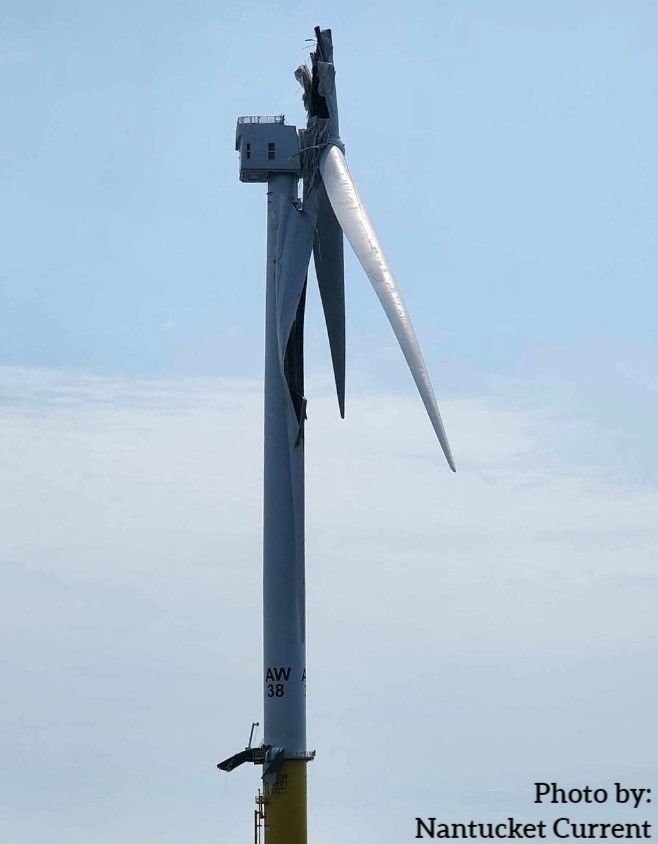
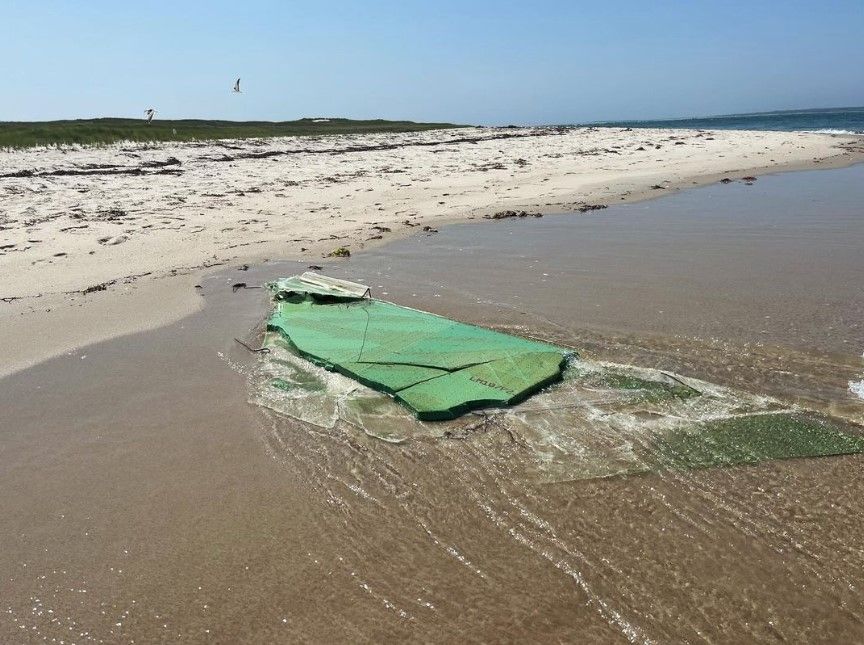
The initial Vineyard Wind 1 blade failure on July 13, 2024, accompanied by the accidental release of debris into our waters and the subsequent lack of efficiency, transparency, and appropriate communication by project developer Vineyard Wind and blade manufacturer GE Vernova, has demonstrated the
urgent need for regulatory reform.
Action
The NLWC has hired an attorney to advocate on our behalf for
improvements to existing permits
and to the requirements for all future permits. The NLWC will also advocate for local regulatory oversight of future projects to ensure that incidents are minimized to the greatest degree possible and that if/when they occur, they are handled with efficiency, transparency, and as little damage to environmental resources as possible.
Desired Outcome
The NLWC is working with fellow Waterkeeper Alliance member organizations to advocate for changes to regional and national policy that will ensure a greater degree of quality control and oversight, transparency, and accountability in the industry, and to avoid a repeat of the response we witnessed after the July 2024 blade failure.
Coastal Resilience
‘Sconset Geotubes
Central Issue
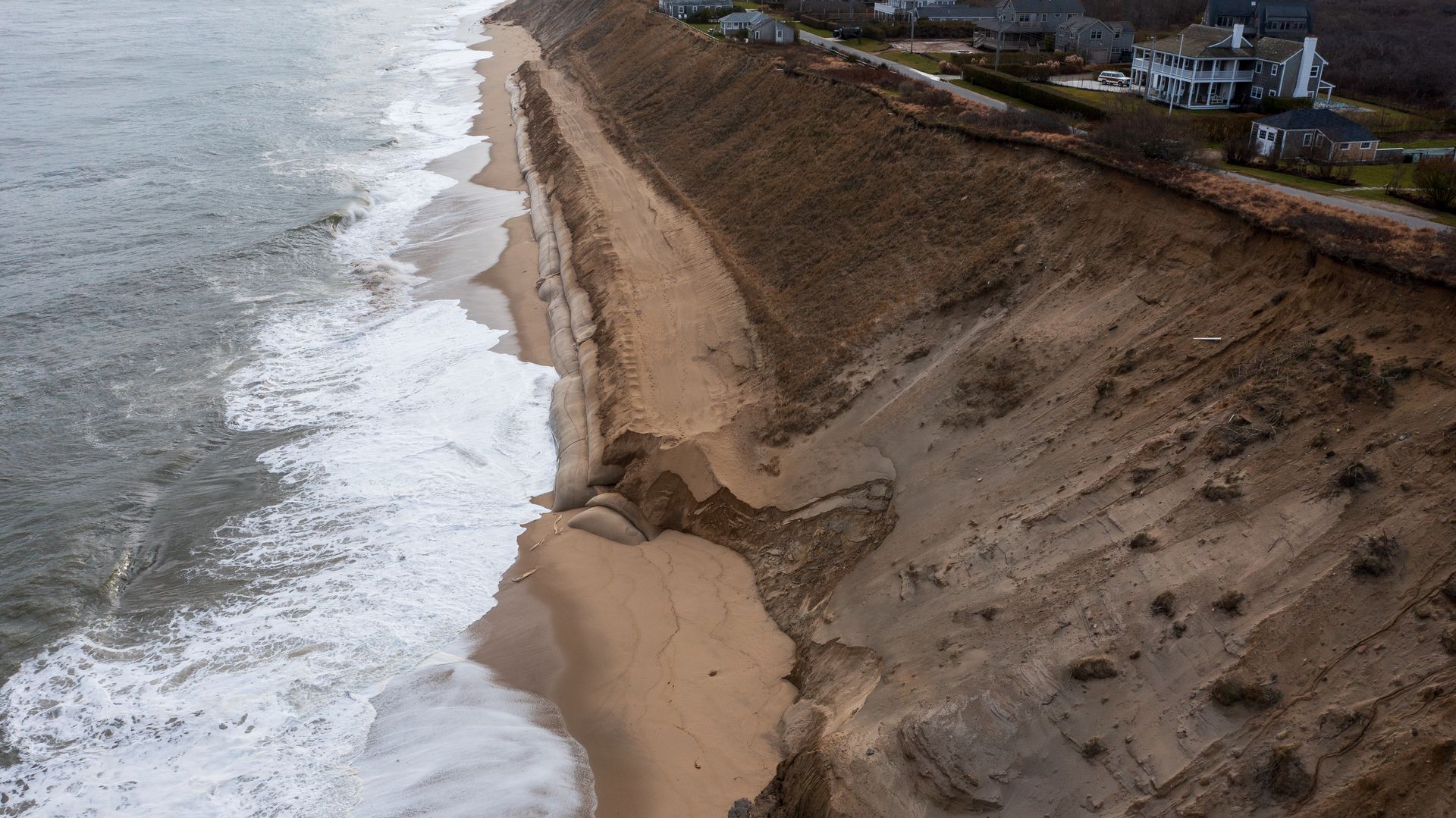
Data collected by project consultants indicates that
the geotubes are detrimental to the environment, increasing erosion on surrounding beaches, while the project proponents have refused to adhere to the conditions of their original permit, which requires adding sand to offset the loss. The current installation of geotubes has been out of compliance with its permit’s mitigation requirements since 2015. As of March 2025, the geotube project is
responsible for a deficit of approximately 120,000 cubic feet of sand, now missing from our coastal system and Sconset Beach. Despite this gross noncompliance, in 2025, the SBPF applied for and received a positive Order of Conditions from the Nantucket Conservation Commission for a three-fold extension of the geotubes, while also being given 10 additional years to meet their pre-existing sand deficit requirement.
Recent Actions
In April 2025, the Nantucket Land & Water Council (NLWC) joined over a dozen Nantucket residents—including members of the Nantucket Coastal Conservancy, property owners in Quidnet, and the Greenhill family—in filing a Request for a Superseding Order of Conditions (SOC) with the Massachusetts Department of Environmental Protection (MassDEP). The SOC filing has triggered a requirement for the project proponents to submit documentation to the Massachusetts Environmental Policy Act (MEPA) Office. MassDEP will not advance its review of the SOC until MEPA review is complete. The NLWC attends every regulatory meeting and will continue to advocate for addressing the sand deficit and against installing additional geotubes.
Desired Outcome
The sand deficit must be provided, and extension of the geotubes should not be permitted. NLWC believes
there are less environmentally damaging options to hold the line along ’Sconset bluff while alternative access to Baxter Road is built. In late 2022, the NLWC
petitioned the County Commissioners to
privatize the current Baxter Rd. By doing so, the Town would remove its obligation to maintain the road in its current position. The road would be private, but public access to their homes and the lighthouse would be maintained. Since then, the Town has been working on
alternative access plans for Baxter Road, which
are now 90% complete.
The NLWC advocates completing alternative access for Baxter Rd and ultimately removing the geotubes. The NLWC will work with the Town to
establish best policies
for other parts of the island in the face of sea level rise.
Coastal Resilience, HARBOR & POND RESTORATION
Fertilizer Education & Licensing
Central Issue
Excess
nutrients from fertilizer (primarily nitrogen and phosphorus) from runoff
degrade the health of our harbors and ponds
by triggering eutrophication, which leads to
toxic algae blooms and the destruction of vital habitats such as eelgrass in our harbors. When this process kills eelgrass, not only is our
water quality
and the
health of aquatic life
impacted, but our
coastal resilience
is also
diminished.
Background/History
From 2010–2012, the NLWC participated in a Town-sponsored working group to develop best management practices for fertilizer use on Nantucket. These guidelines were incorporated into fertilizer regulations adopted by the Nantucket Board of Health in 2013. Since that time, the NLWC and other island non-profit organizations have continued to promote these regulations and provide educational resources to support their implementation. Nantucket's fertilizer regulations established a comprehensive municipal licensing program. This program requires dedication and commitment from the Town to maintain, as consistent enforcement of the regulations depends on dedicated staffing, sustained resource allocation, and ongoing coordination.
Recent Actions
The NLWC has been supporting a recent proposal by the Town's Natural Resources Department to design and build a new Fertilizer Education & Licensing Program. This proposal would enable the Town to engage a consulting firm to design an education program for island landscapers and fertilizer applicators, as well as an appropriate, accessible licensing exam to demonstrate understanding of Nantucket's Fertilizer Best Management Practices and Regulations. It would also provide for additional education and outreach for island property owners.
The NLWC provided a letter of support to the Capital Program Committee (CPC) during their review of this proposal, which was also signed by eight other non-profit organizations that previously participated in our Clean Water Coalition. In addition, we brought three landscaping and golf course management industry leaders to the CPC's meeting to help advocate for our island's need for this program.
Moving Forward
We will continue to provide support and to advocate for the necessary funding to advance the redevelopment of the fertilizer program. A successful fertilizer program and a collaborative island effort will improve the overall health of our island’s harbors and ponds, benefiting our entire community.
Open Space & Resource Protection
Short-Term Rentals (STRs)
Central Issue
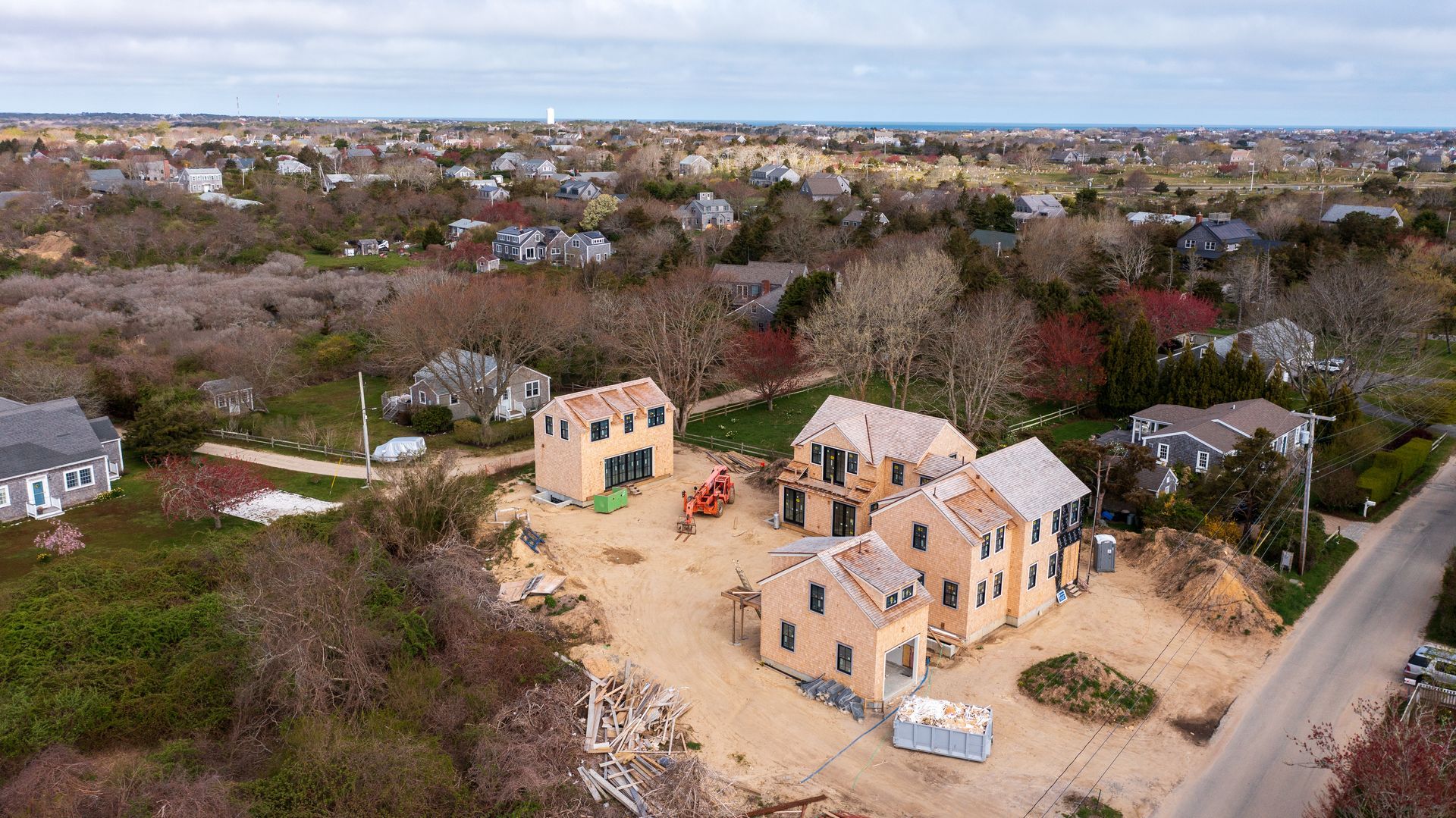
The accelerating development, repurposing of properties, and intensity of use associated with
short-term rentals (STRs) as a business puts increasing pressure on the island’s natural resources and infrastructure, from the health of our drinking water, ponds, and harbors to solid waste management, water, and sewer, and
threatens irreparable harm to our island environment. This intense (re)development also negatively impacts Nantucket's historic, rural character and quality of life.
Recent Actions
In 2025, there was ongoing pressure to allow commercial STRs in residential districts through proposed by-law changes by those who profit from STRs. The NLWC
worked with our attorney and land-use specialists to extensively review all proposals for
zoning and regular by-law
changes related to STRs, providing legal input and recommendations to municipal committees,
elected decision-makers, and voters in our community before both the
Annual Town Meeting in May and the
Special Town Meeting in early November.
In May, we shared our voting recommendations with our members and the community through eNewsletters, printed news inserts, social media, and handouts
at Town Meeting. We worked with other island groups to
narrowly defeat a measure that would have allowed STRs in all areas of the island by right. Throughout the summer, we worked with Planning Board Director, Dave Iverson and other local partners to refine an alternative (Article 2) that memorialized the right to short-term rent with reasonable restrictions. In November, we again produced a
voting recommendation sheet, submitted our own
editorial letter, and drafted and
collected support from more than 25 prominent community members for an
open letter, which we published as a
full-page advertisement in the Inquirer & Mirror in support of Article 2.
Unfortunately, Article 1, a measure to allow STRs across the island with no restrictions that was
backed by those who
profit from the
STR industry, garnered positive votes from a 2/3 majority of the electorate, who were alarmed by Article 1 proponents’
misleading assertion that this was a matter of maintaining an important property right, or losing that right.
Moving Forward
As the dust settles, and our media expresses the reality of the inadequacy of our existing regulations,
there is clearly more that needs to be done. All of our policies and practices related to growth, development, and land and resource management, including STR regulations, must be
scrutinized for their impact on our shared natural resources and adjusted where needed to protect the health of our environment and community. We will continue to
work with our community to
shape policies that reflect both
our community's needs and the
limits of our fragile island environment.
Open Space & Resource Protection
Preventing The Increase Of Infill Development through 41-81L Subdivisions
Central Issue
There is
a loophole in Nantucket’s zoning by-law ((Section 139 33-(A)(3)) that has been exploited –often for spec development– resulting in the development of dozens of new lots,
creating many
problems for Nantucket’s environment - including stormwater management issues affecting our drinking water, ponds and harbor water quality, elimination of open space and habitat, and increasing pressure on our Town infrastructure.
Recent Actions
NLWC supported an article for a zoning bylaw amendment submitted by Emily Molden and voted on at the Annual Town Meeting in 2023 and 2025. This article sought to strike the language in our zoning bylaw, which automatically grants buildability to the newly created non-conforming lots created under the state’s preexisting structures provision in the MA Subdivision Control Law (Chapter 41 Section 81L). If the amendment passed, new lots could still be created using the preexisting structures provision, but any redevelopment of those lots made nonconforming by the division would require oversight and a variance from the Zoning Board of Appeals. The bylaw amendment required a ⅔ majority to pass and, despite formal Planning Board support, failed to reach that mark by a handful of votes.
Desired Outcome
This
article has been resubmitted
with Planning Board support, and the
NLWC will continue to advocate that this loophole be closed through a successful ⅔ majority vote at the 2026 Annual Town Meeting.
Recent Initiatives
Open Space & Resource Protection
Increasing Housing Stock Without Expanding Potential Development
In order to mitigate the impact on our environment of ongoing, critical affordable housing development on the island, the NLWC has been exploring ways to augment our affordable housing stock without increasing development potential. In 2024, we hired a renowned land use, planning, and environmental policy expert to perform legal and land use research and help define regulatory mechanisms that could achieve this end. The NLWC supported local partners in putting forth the resulting zoning policy changes, which are being incorporated in part by the local Planning Board in a proposed zoning by-law amendment at the 2025 Annual Town Meeting.
Open Space & Resource Protection
Camp Richard
In 2018, The Nantucket Land & Water Council won a protracted and difficult legal battle with the Cape Cod & Islands Council (CCIC) of the Boy Scouts of America, Inc., successfully defending 100 acres of open space located in mid-island from the CCIC’s attempt to seize the property and sell a portion of it to a developer. Thanks to the NLWC, the property remains in the hands of our local Camp Richard Campers’ Association, which has utilized the property as a low-impact wilderness camp ever since it was granted to them by the Civic Association in 1955.
Protecting Our Waters
Synthetic Turf Fields at Nantucket Public Schools
In 2022, the NLWC hired consultants and extensively reviewed the Nantucket Public School’s proposal to install synthetic athletic turf fields as part of its campus-wide master plan. This analysis determined that the proposal presented a risk to Nantucket’s water resources. In addition to the presence of regulated and unregulated PFAS compounds, their stormwater management plan did not adequately address flooding concerns and lacked a well-designed, long-term monitoring program. School Committee members’ declared their decision to remove the turf fields from the plan was directly influenced by NLWC commentary.
Protecting Our Waters
Establishing the Clean Water Coalition
In 2022, the NLWC – in partnership with the Nantucket Shellfish Association (NSA) and Maria Mitchell Association (MMA)– led the effort to establish a Clean Water Coalition for the island resulting in a group of 14 organizations and entities working to advance Town initiatives to reduce nutrient pollution, and to elevate overall community education around clean water.