Nantucket's Environmental Advocate


We pay attention. We raise awareness. We take action.

50th Anniversary Film


The Nantucket Land & Water Council is dedicated to preserving the health of Nantucket’s environment and community through the protection of the island’s land and water resources.


Since 1974, the Nantucket Land & Water Council has preserved thousands of acres of land across Nantucket, Tuckernuck, and Muskeget. Outside of our ongoing conservation restriction program, most of this land -including hundreds of acres in the Middle Moors, Plains, Squam, and Smooth Hummocks- has been transferred to the Land Bank or Nantucket Conservation Foundation to manage. The NLWC was originally organized specifically to engage in the challenges that sometimes are necessary to defend open space.

LEARN MORE

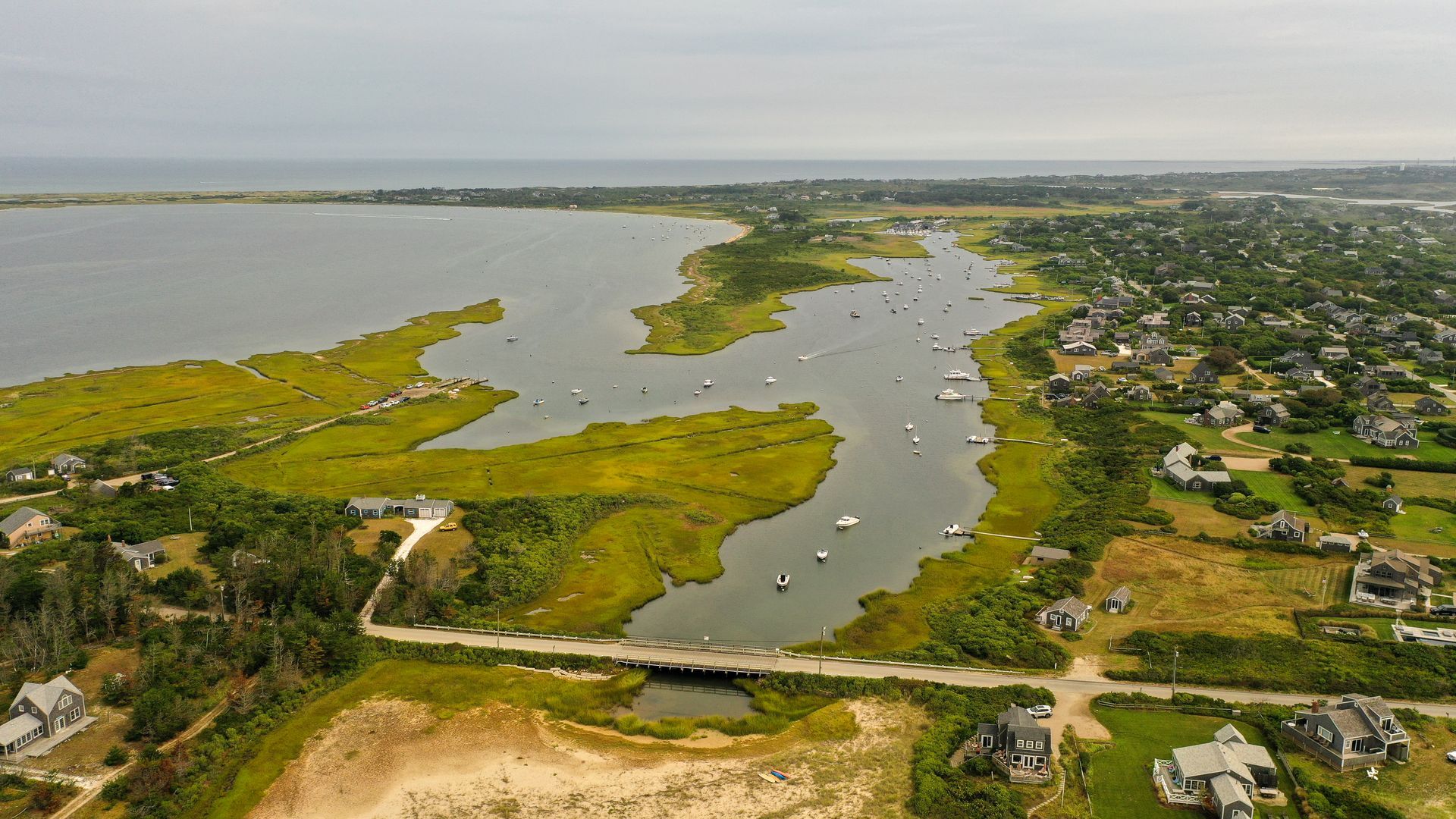
Nantucket, with its sole-source aquifer, picturesque harbors, quiet ponds and the vast expanse of Nantucket Sound and the greater Atlantic ocean comprise some of the most iconic and historic natural resources America has to offer. For nearly half a century, the Nantucket Land & Water Council has steadfastly advocated for the protection of the island's treasured water resources.

LEARN MORE

Griffin Saves His Tree Book Signing

Tuesday, July 21st, 2026, 11:00AM - 12:00PM


Join us for a book reading and signing, Tuesday, July 21st, 11am - 12pm! All are welcome and invited to see how a seven year old boy saved this tree (plus meet Elvira Elm!). All proceeds will go to the Nantucket Land & Water Council. Come learn and laugh with us!

NLWC Calendar

April 24 through September 3 - Kayak and Tree Tours

July 2 - Friends Fête- Almanack Arts Colony

July 14 - State of the Harbor Forum- Great Harbor Yacht Club 

August 4 - Annual Meeting- Nantucket Hotel

August 30 - NLWC Annual End-of-Season Dinner

Support NLWC by becoming a member

The support of our membership helps the NLWC continue to pay attention, raise

awareness and take action on behalf of Nantucket’s precious land and water resources!


A gift of any level to the NLWC’s Operating Fund or to our Water Fund entitles the donor to membership of the NLWC.


September 10, 2026
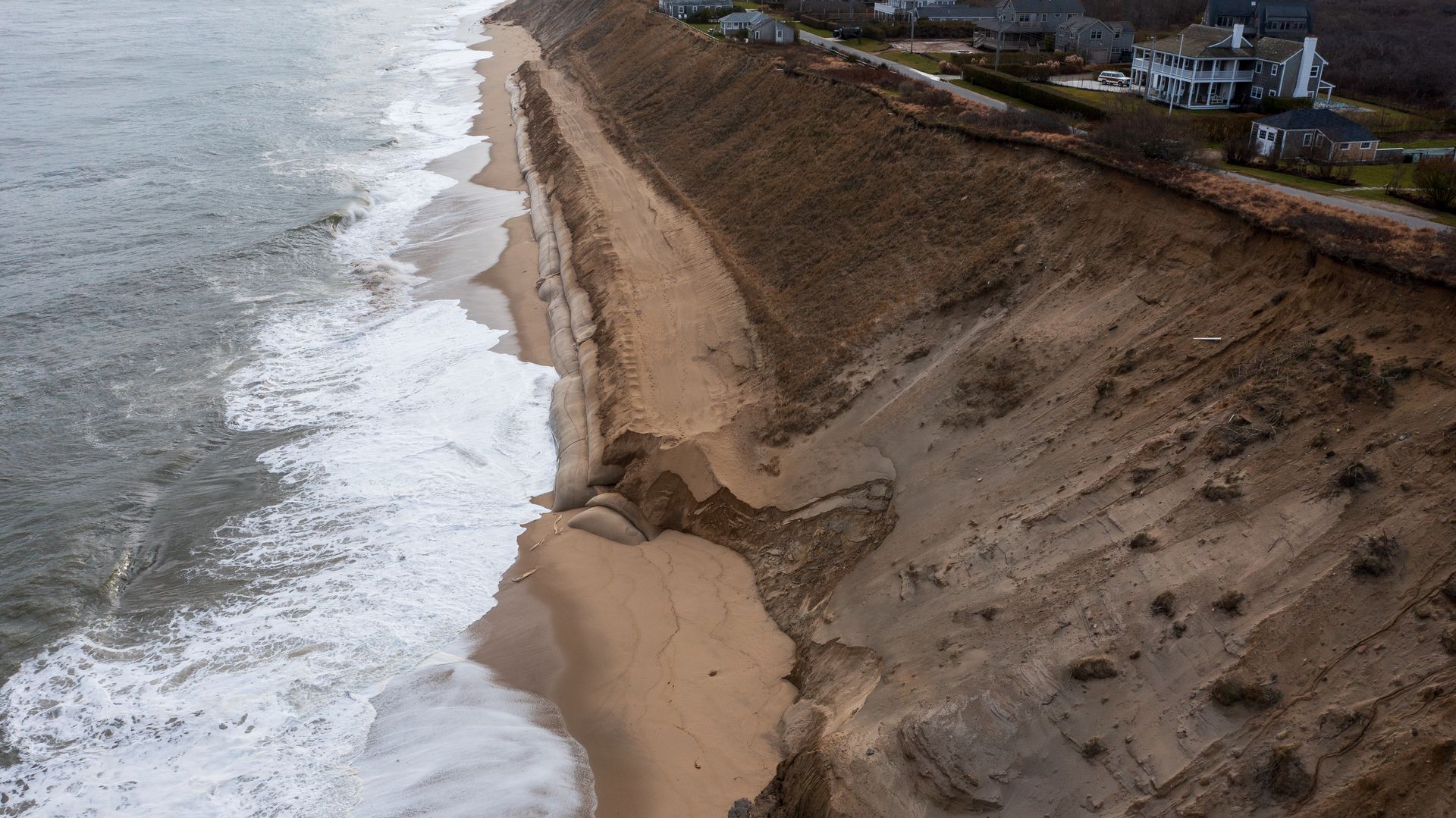
On August 31st, the Massachusetts Department of Environmental Protection (DEP) issued a letter rebuking the efforts of Siasconset Beach Preservation Fund (SBPF) to expand the geotube project on Sconset Beach. Nantucket Land & Water Council (NLWC) along with over a dozen Nantucket residents, including members of the Nantucket Coastal Conservancy (collectively “Appellants”), appealed the Conservation Commission’s March 2025 approval of an Order of Conditions for the geotube expansion. Now seventeen months later, DEP’s letter dated August 31, 2026, casts grave doubt on whether the expansion project will be approved by the state agency. This setback follows the denial of a license for the project at Town Meeting last spring.
September 1, 2026
To the Editor,  This letter is about the water situation on the island. As the Nantucket Waterkeeper, I measure the water levels in our aquifer every month (a half-century tradition of the Nantucket Land & Water Council) at ten wells across the island from ’Sconset to Madaket. These wells are simply metal or pvc pipes installed just far enough below the surface to reach and measure the ups and downs of our aquifer. This data is used by the United States Geological Survey (USGS) and Mass Department of Environmental Protection (DEP). It's also available to the public on USGS’s website- The exact well used to determine if we’re in a drought or not is well #228 . You’ll notice that it continues to trend downward. With the exception of two very shallow wells in Madaket which have shown some recovery from recent rain, the other seven wells across the island continue to trend downward.
July 16, 2026
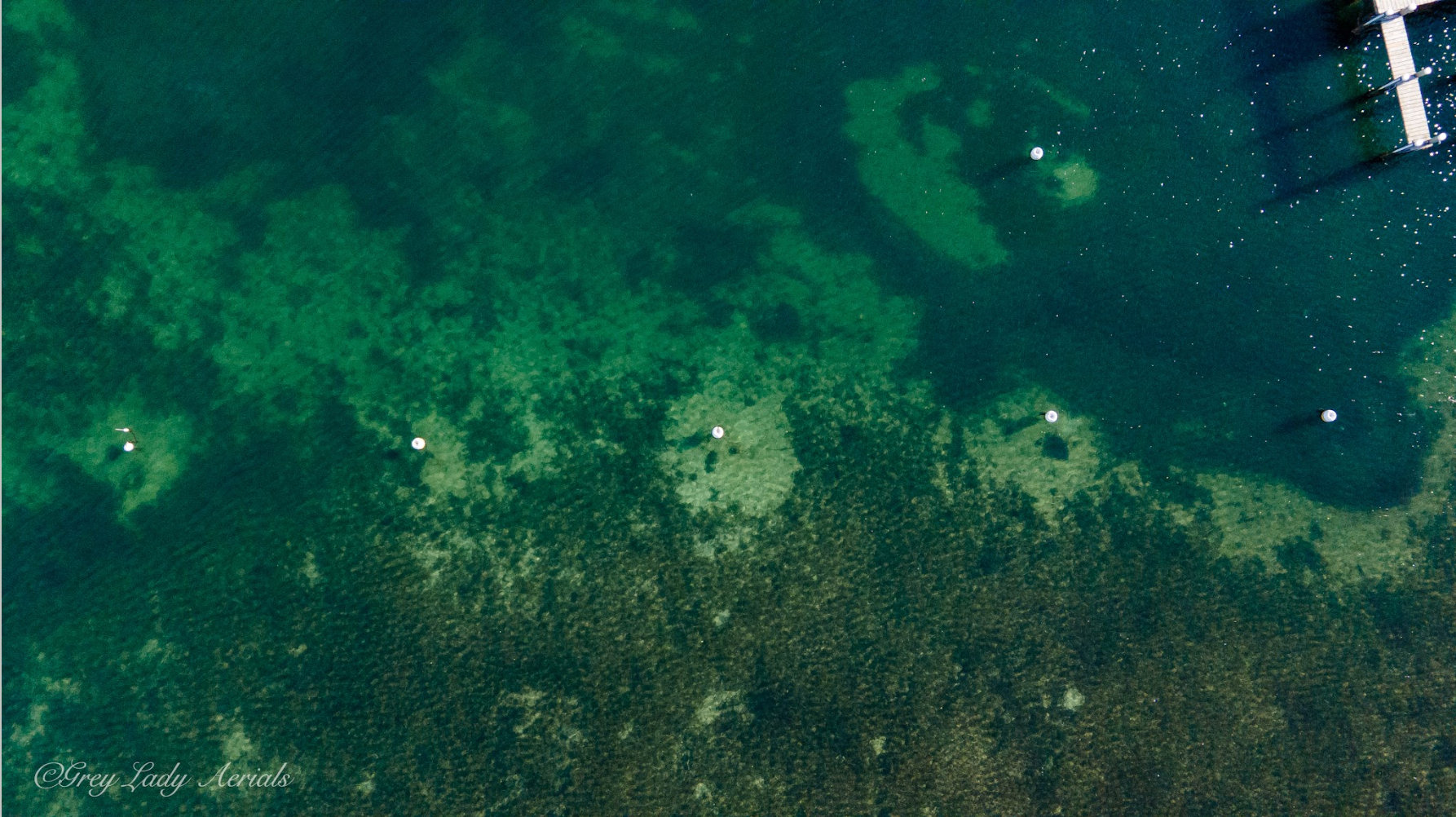
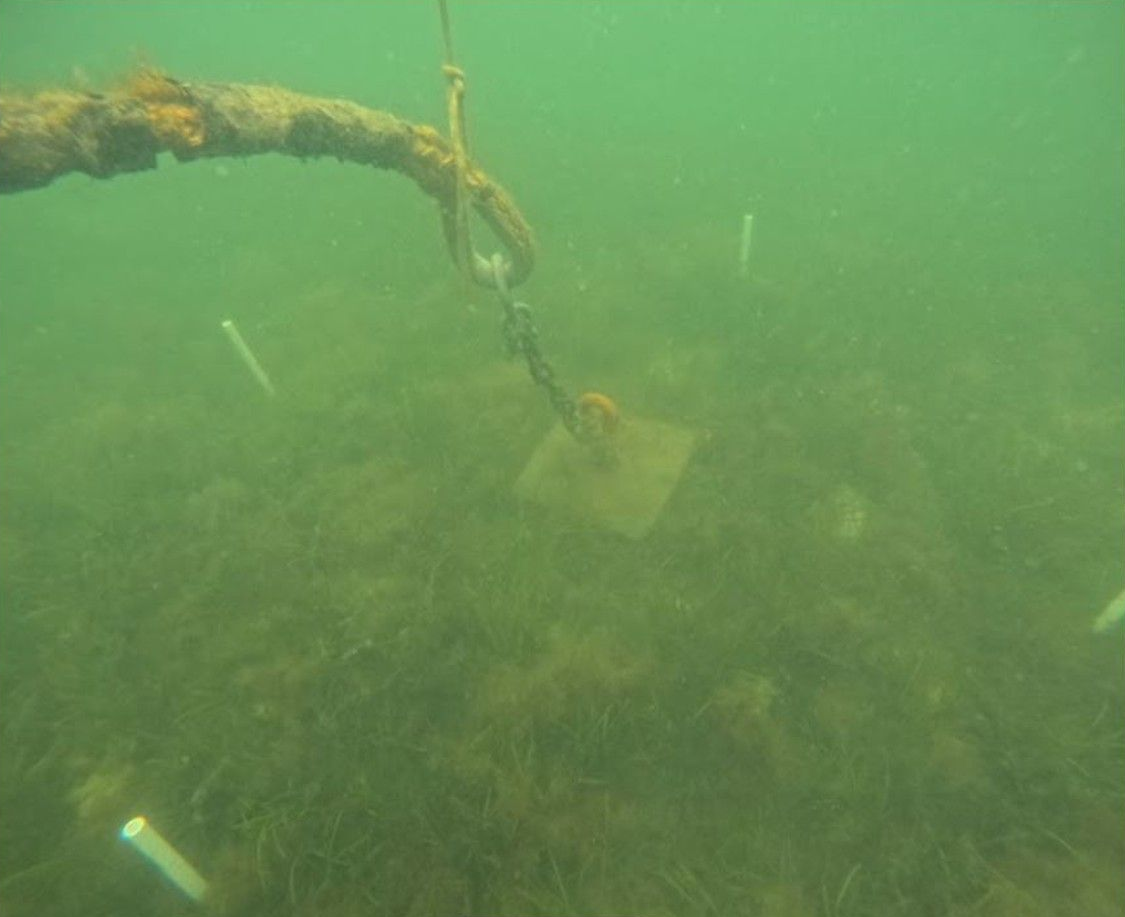
On Monday, June 29th, 2026 , the Nantucket Land & Water Council (NLWC) in collaboration with Nantucket Harbormaster Sheila Lucey , Anderson’s Stillwater Moorings , & Nantucket Mooring s, officially began installing eelgrass-friendly moorings along our testing site in Nantucket Harbor. Installation has moved forward thanks to a generous grant from the Great Harbor Yacht Club Foundation to support eelgrass-friendly moorings in Nantucket Harbor. Eelgrass is paramount to maintaining the health and fragile ecosystems within our harbor . Eelgrass meadows aid our water quality by filtering out runoff contaminants , removing excess nutrients , providing necessary habitats for wild bay scallops and juvenile fish species , and helping to combat environmental events like coastal erosion and storm surge . Traditional moorings utilize a mushroom anchor and a heavy chain that digs into the harbor floor. As wind, tides, and currents move boats and moorings, the chain drags on the harbor floor creating a circular scour – a place where eelgrass cannot grow. Eelgrass-friendly moorings are a type of mooring that protects eelgrass meadows while allowing us to continue using and enjoying our boats as we always have. The eelgrass-friendly moorings use a pyramid style Dormor anchor and an ecorode elastic rope replacing traditional chain and mushroom anchors. The elastic does not scour, allowing eelgrass to grow sustainably in our harbors.
June 26, 2026
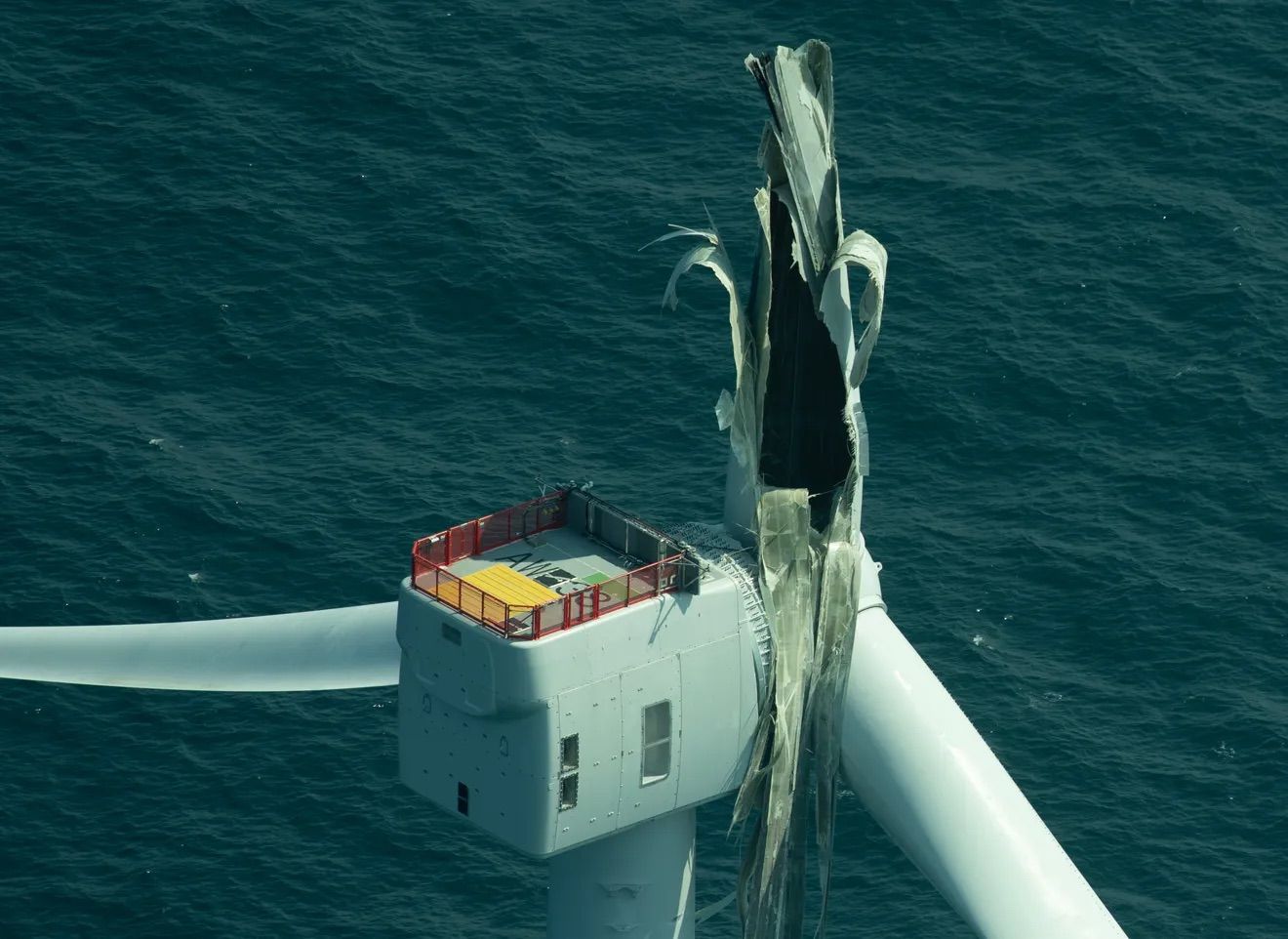
As a part of the Memorandum of Understanding between the Town of Nantucket and Vineyard Wind 1 , public comments were due on the Debris Infrastructure Failure Incident Response Plan Summary on Monday June 15th. The Nantucket Land & Water Council (NLWC) submitted a comment letter outlining the inappropriateness of providing a four page summary instead of the plan itself for the community to see, as well as deficiencies in the language provided and suggestions for improving it . That comment letter can be found here: NLWC VW1 Incident Plan Summary Comment Letter
June 12, 2026
The Massachusetts Senate recently passed S.3064 , known as the Mass Ready Act, a sweeping environmental bond bill that would invest over 3 billion dollars in climate resilience, water infrastructure, flood protection, PFAS remediation, conservation, and municipal environmental projects. Many of these investments align closely with priorities long championed by the Nantucket Land & Water Council, including funding for clean water infrastructure, climate adaptation, and the protection of natural resources. However, several amendments added to the bill during the Senate process have raised serious concerns among environmental organizations, municipalities, conservation commissions, and clean water advocates across Massachusetts. These provisions would weaken local municipal authority to protect wetlands and water resources and would disadvantage communities like ours that have adopted stronger environmental safeguards than just those required by state law. 
June 12, 2026
Nantucket has officially been designated as being in a Level 2 Drought Condition, triggering mandatory water conservation measures for properties served by Wannacomet Water. Although the current green lawns and foggy mornings of June may not make the island feel particularly dry right now, drought determinations are based on more than appearance alone . State officials evaluate long-term precipitation trends , groundwater conditions , and other indicators of water availability .
May 20, 2026
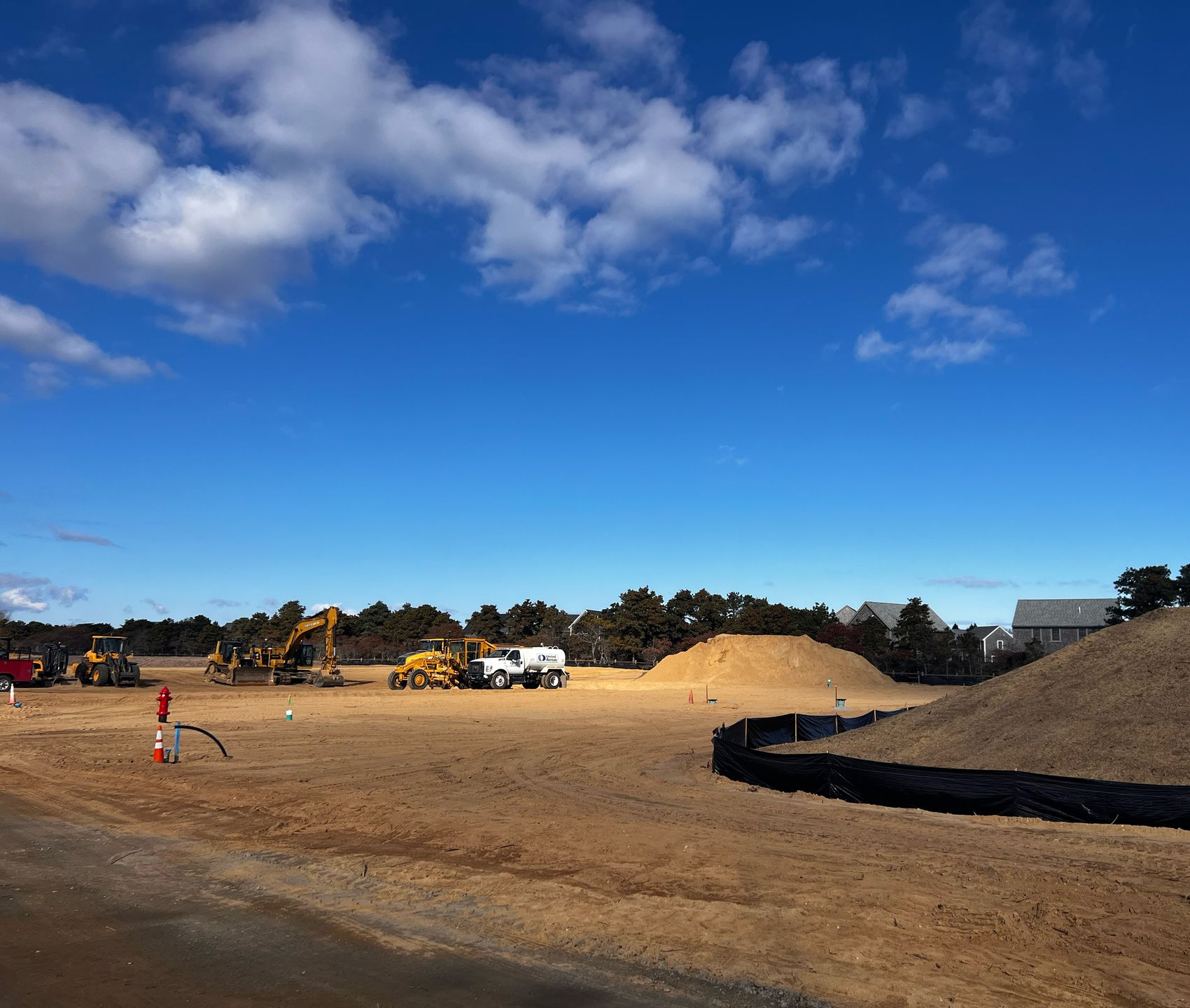
Once again, Nantucket Land and Water Council (NLWC) has filed an appeal in Superior Court of the latest decision of the Housing Appeals Committee (HAC) about the controversial Surfside Crossing c. 40B project on South Shore Road. This is the third such appeal after two prior successful cases in which the Court ruled in favor of NLWC. Both the Town of Nantucket’s Zoning Board of Appeals (ZBA) and Tipping Point residents group have also filed appeals of the same HAC decision. “The NLWC appreciates the need for affordable and attainable housing on Nantucket, and recognizes the level of effort and the significant progress being made by the Town. We also know that the protection of our water resources, particularly our drinking water, is critical to the health of our community.” Emily Molden, Executive Director said about the NLWC’s move to appeal. “Creating much-needed housing on the island does not need to come at the expense of clean water. We can do this differently, but all parties need to be willing to work towards a solution”.
April 29, 2026
The Nantucket Land & Water Council has completed our annual reviews of the warrant in advance of the 2026 Annual Town Meeting in order to provide comments and recommendations on articles that impact the health of our island environment . Our review is conducted in the context of our mission to preserve the long term health of Nantucket's environment and community through the protection of our land and water resources.
February 25, 2026
New partnership will transition conventional moorings in Monomoy to protect and restore Nantucket Harbor habitat The Nantucket Land & Water Council (NLWC) has received a generous grant from the Great Harbor Yacht Club Foundation to support the installation of eelgrass-friendly moorings in Nantucket Harbor, a major step forward in protecting one of the island’s most important marine habitats. Healthy eelgrass is essential to the vitality of Nantucket Harbor. Eelgrass meadows provide critical habitat for wild bay scallops and juvenile fish, improve water quality by filtering polluted runoff, absorb excess nutrients, store carbon, and stabilize shorelines against erosion and storm surge. Yet eelgrass in Nantucket Harbor has declined significantly in recent decades due to nutrient pollution, warming waters, and physical disturbance — including abrasion from traditional boat moorings. Since 2018, NLWC has worked with Harbormaster Sheila Lucey and her team, the Town of Nantucket and island partners on eelgrass restoration initiatives aimed at reversing this decline. One of the most practical and immediate solutions is transitioning conventional chain moorings to eelgrass-friendly systems — a key recommendation of the newly adopted Nantucket Eelgrass Management Plan. In 2022, NLWC partnered with Nantucket Harbormaster Sheila Lucey and Anderson Stillwater Moorings to design and implement an environmentally-sensitive mooring system adapted for Nantucket’s unique needs. The design uses a 300-pound pyramid anchor and an eco-rode that keeps gear suspended above the seabed, preventing the heavy chain “scouring” that destroys eelgrass beds around traditional moorings. The NLWC Waterkeeper vessel has been successfully secured using this mooring system for three consecutive seasons. Thanks to generous funding from the Great Harbor Yacht Club Foundation, NLWC and the Harbormaster’s Office will now launch a pilot program this spring, in partnership with local mooring companies, to transition up to 25 conventional moorings to eelgrass-friendly systems. Ed Orenstein, GHYC Foundation President, states: “The Foundation prioritizes projects that deliver both immediate and long-term benefits to Nantucket Harbor’s ecosystem and our community at large. These new eelgrass-friendly moorings accomplish both. We couldn’t be happier to team with NLWC on this impactful initiative and applaud Emily Molden’s leadership." NLWC will monitor the pilot sites to measure eelgrass recovery and seabed stability, with the goal of informing future harbor management decisions and expanding the program if successful. “Eelgrass is the foundation of our harbor ecosystem — without it, we lose scallops, water quality, and coastal resilience. The beauty of eelgrass-friendly moorings is that they solve a problem without restricting boating. This project shows conservation and harbor use can work together for the betterment of our environment and to the benefit of our community, and we hope it becomes a model for broader adoption.” – RJ Turcotte, Nantucket Waterkeeper The Nantucket Land & Water Council extends its sincere appreciation to the Great Harbor Yacht Club Foundation for their foresight, vision, and generous support for innovative solutions that protect the island’s land and water through science, advocacy, and community engagement.
February 4, 2026
If you feel aligned with our mission and would like to support our work through advocacy, there are many meaningful ways to get involved. You can attend local regulatory meetings, participate in and speak at Annual Town Meetings, serve as an informed environmental ambassador among friends and neighbors, rally support for articles that protect Nantucket’s natural resources, and oppose those that pose risks to their long-term health. You can also lend your voice by drafting or signing Letters to the Editor. If you’re interested in participating in our advocacy efforts as a Community Advocate, please click H ERE.

Get Involved!

We encourage you to learn more about our local government and have your voice heard. The protection of our local environmental resources is more successful when more citizens let their voice be heard.

LEARN MORE