No Mow May
If you want to sign up or get more information on No Mow May please
CLICK HERE!
Join Us for No Mow May!
This spring, the Nantucket Land and Water Council and the Nantucket Garden Club are inviting Nantucket residents to participate in No Mow May, a simple, impactful way to support early-season pollinators and water conservation. By giving your lawn a short break from mowing, you allow essential native plants to bloom for awakening pollinators, and you help your grass grow stronger and more drought-resistant.
A small shift in your yard routine, like No Mow May, can help strengthen our island’s biodiversity and support the broader
Grow Native for Nantucket initiative. Even skipping a few mowings makes a difference!

Why It Matters
- Less lawn care supports water conservation. The additional time between mowings allows lawns to grow longer, which protects the soil surface, reduces evaporation, and encourages the development of deeper roots. This helps your landscape need less irrigation during the hotter summer months.
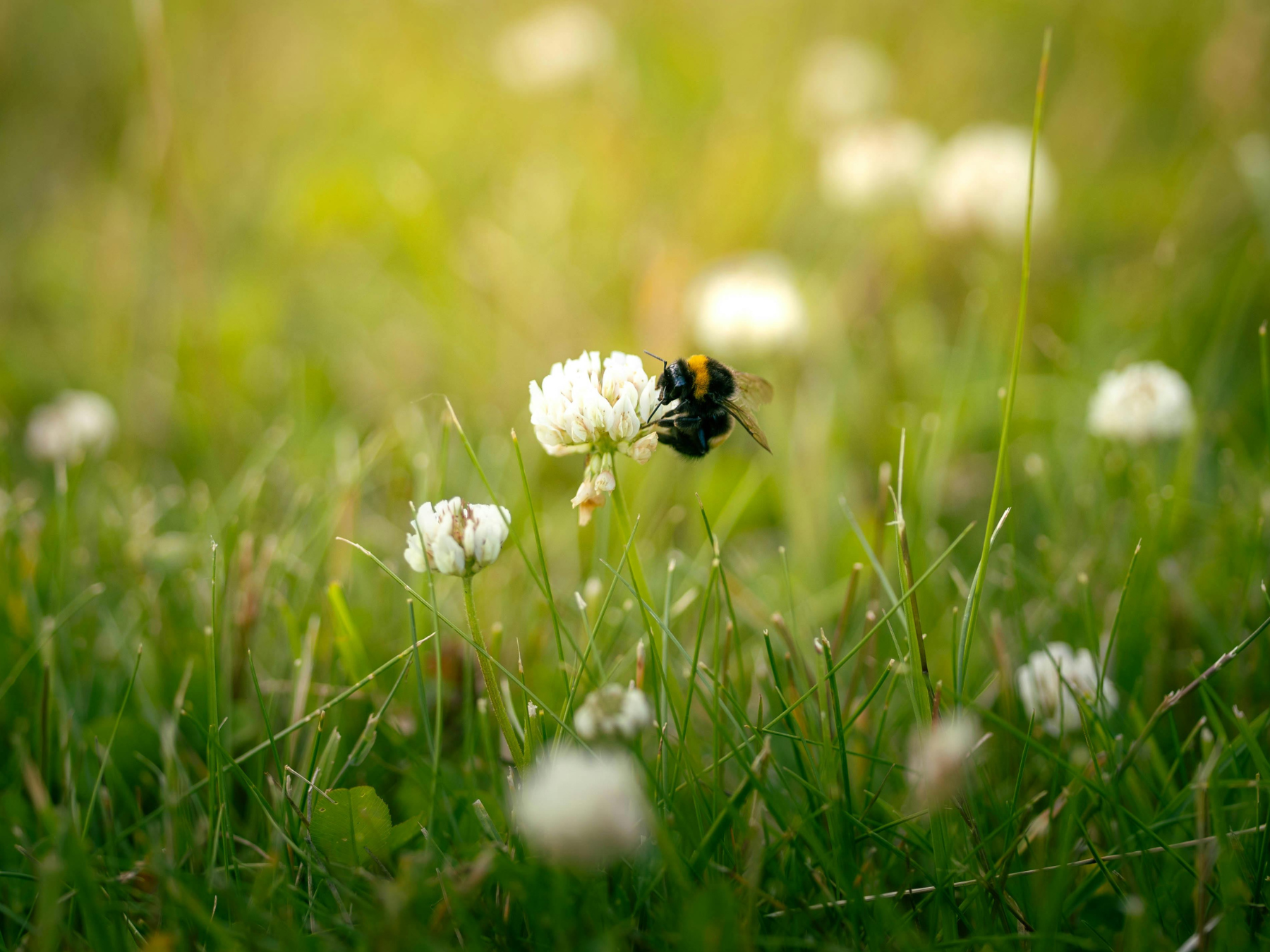
- Early spring blooms are among the season’s most important food sources, and delaying mowing allows them to fully flower.
- Pollinators are in decline. Native bees, in particular, depend on uninterrupted access to early food and shelter sources to establish new colonies.
- Every yard helps. Even a portion of your lawn left unmowed can create a meaningful habitat.
How to Participate
- Skip mowing for the month of May, or even just the first few weeks.
- If you can’t stop entirely, choose one patch of lawn to leave unmowed as a designated pollinator zone.
- Avoid herbicides and pesticides during this time.
- Talk to your landscaper about establishing new plantings and yard features during this time.
- Consider replacing portions of your lawn with native plants that provide long-term habitat and food sources.
What to Expect
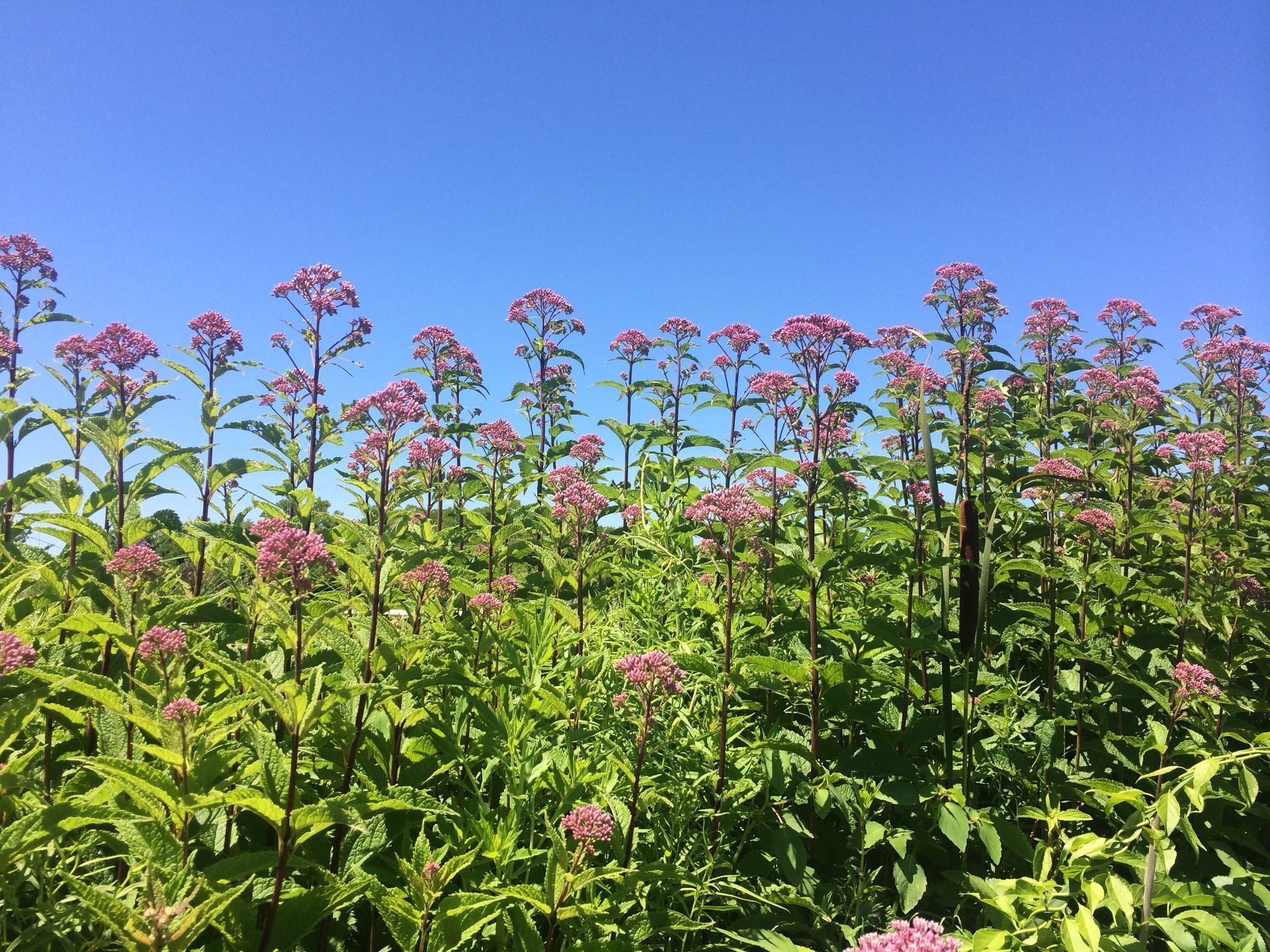
- Your lawn may look a little “wild,” but that’s exactly what our local habitat needs.
- Early bloomers like clover, violets, dandelions, and native grasses will provide food for bees and butterflies.
- If neighbors are concerned, explain it’s for pollinator habitat, biodiversity, and water conservation. It’s short-term and highly beneficial!
Beyond May
No Mow May is a starting point, not an endpoint. When May wraps up, consider mowing less frequently, mowing higher, or transitioning lawn areas into native plantings. These small adjustments significantly increase habitat value and reduce maintenance needs over time.
By participating in No Mow May you’re helping create a more connected, climate-resilient island, one yard at a time!
Interested in Participating in No Mow May?
We’d love to keep you connected as we share more ways to get involved and support pollinators this spring. If you’d like to receive updates and helpful tips.
CLICK HERE
to get on our email list for No Mow May and feel free to check back here for new information as May gets closer.