NLWC News


NLWC Appeals Surfside Crossing to Protect Critical Water Resources

May 20, 2026

Once again, Nantucket Land and Water Council (NLWC) has filed an appeal in Superior Court of the latest decision of the Housing Appeals Committee (HAC) about the controversial Surfside Crossing c. 40B project on South Shore Road. This is the third such appeal after two prior successful cases in which the Court ruled in favor of NLWC. Both the Town of Nantucket’s Zoning Board of Appeals (ZBA) and Tipping Point residents group have also filed appeals of the same HAC decision. 


“The NLWC appreciates the need for affordable and attainable housing on Nantucket, and recognizes the level of effort and the significant progress being made by the Town. We also know that the protection of our water resources, particularly our drinking water, is critical to the health of our community.” Emily Molden, Executive Director said about the NLWC’s move to appeal. “Creating much-needed housing on the island does not need to come at the expense of clean water. We can do this differently, but all parties need to be willing to work towards a solution”.
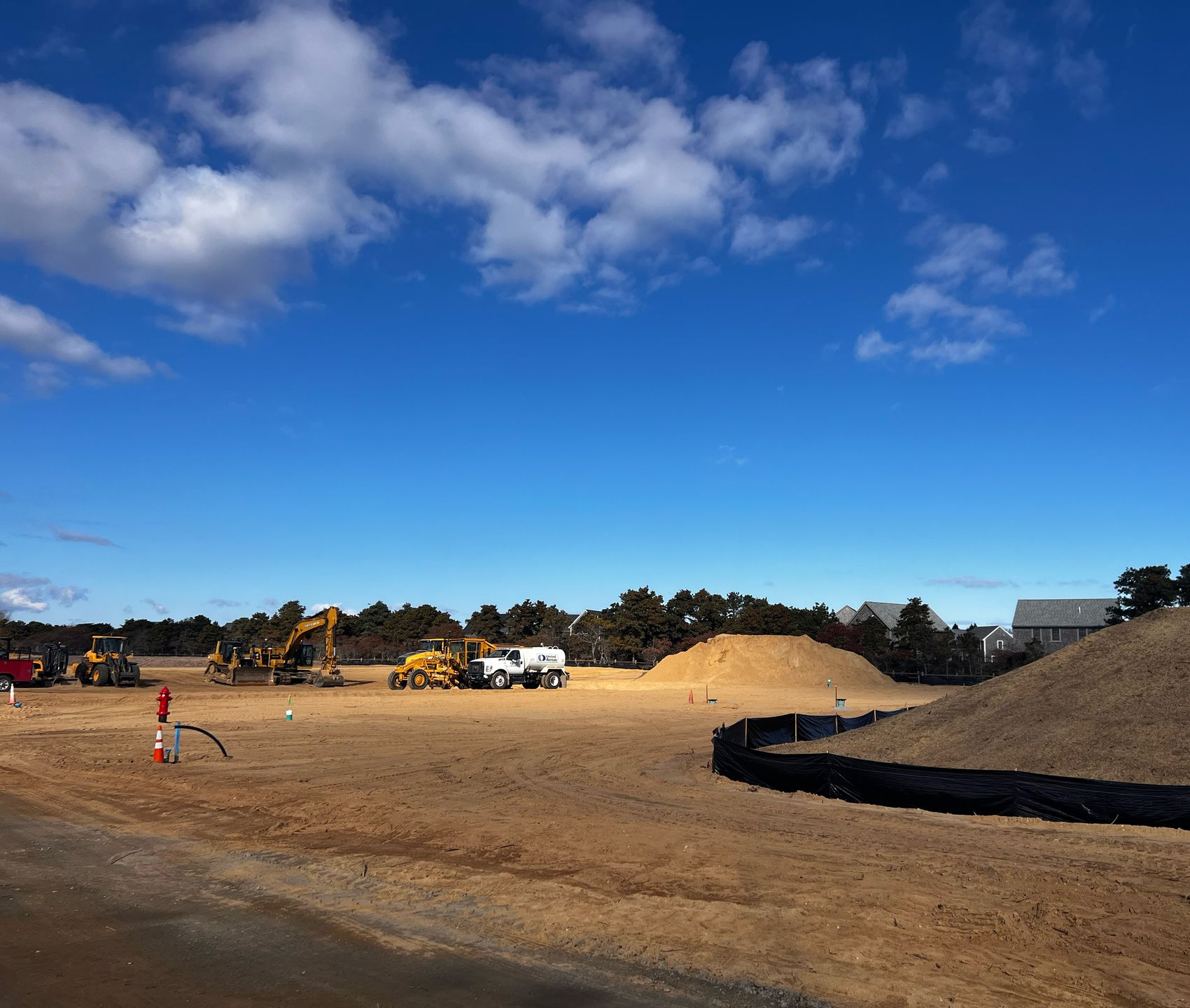
The now clearcut Surfside Crossing Development

Last Spring, the ZBA denied a comprehensive permit for the revised Surfside project because “the stormwater management system, as proposed, poses undue risk of harm to the Town’s public water supply.” (Apr. 14, 2025 ZBA Decision, p. 7, ¶ 11) That decision was based on input from NLWC’s experts at the public hearing who asserted  that the project would render more than half the 13.6 acre site impervious (52%). State and local regulations limit impervious coverage to just 15% in the Zone II wellhead protection area and Public Wellhead Recharge Overlay District in order to protect groundwater quality that feeds the public water supply wells.


If the developers were to stay within  the 15% coverage limit in the protected wellhead area, two acres of the site could still be built on. But the Developer wants 3.5 times that amount, yet submitted nothing in their proposal to show how its stormwater system would protect the integrity of the Town’s groundwater quality. To the contrary, the ZBA and NLWC engineers determined that the stormwater system does not comply with even basic standards. All efforts by the ZBA to address these issues during the public hearings were rejected by the Developers with no willingness to engage. Despite the developer's inflexibility, and the evidence before them, HAC reversed the ZBA decision and ordered a comprehensive permit to be issued.


As a sole source aquifer, Nantucket’s Zone II wellhead protection area is regulated by federal, state and local regulations to protect the potability of the Island’s public water supply. Nantucket withdraws water from the aquifer under a Water Management Act Permit, last renewed in 2021. That permit depends on compliance with the stormwater regulations that HAC purported to waive. If carried out, such a violation of those regulations would jeopardize the integrity of the Town’s permit to withdraw groundwater, and threaten to degrade the groundwater quality of the aquifer. 


The developers proceeded to work, at risk, and the stormwater system was installed at the Surfside Crossing site without first receiving a water quality permit. As currently designed and installed, the system does not comply with local, state or federal regulatory standards. For example, the bylaw requires at least 95% of the precipitation that falls on the site to be recharged into the groundwater. Currently, under existing conditions, all of the rainwater is recharged. If constructed with the current stormwater system, even the Developer’s engineer admits the required 95% recharge requirement would not be met. HAC excused Developer from complying with this bylaw, yet never mentioned that the reason it did so is because the stormwater system has already been installed and buried underground. NLWC looks forward to addressing these issues in Court to protect the groundwater that supplies the public drinking water wells.


A copy of NLWC’s appeal Complaint filed on May 14, 2026 is enclosed here.

April 29, 2026
The Nantucket Land & Water Council has completed our annual reviews of the warrant in advance of the 2026 Annual Town Meeting in order to provide comments and recommendations on articles that impact the health of our island environment . Our review is conducted in the context of our mission to preserve the long term health of Nantucket's environment and community through the protection of our land and water resources.
February 25, 2026
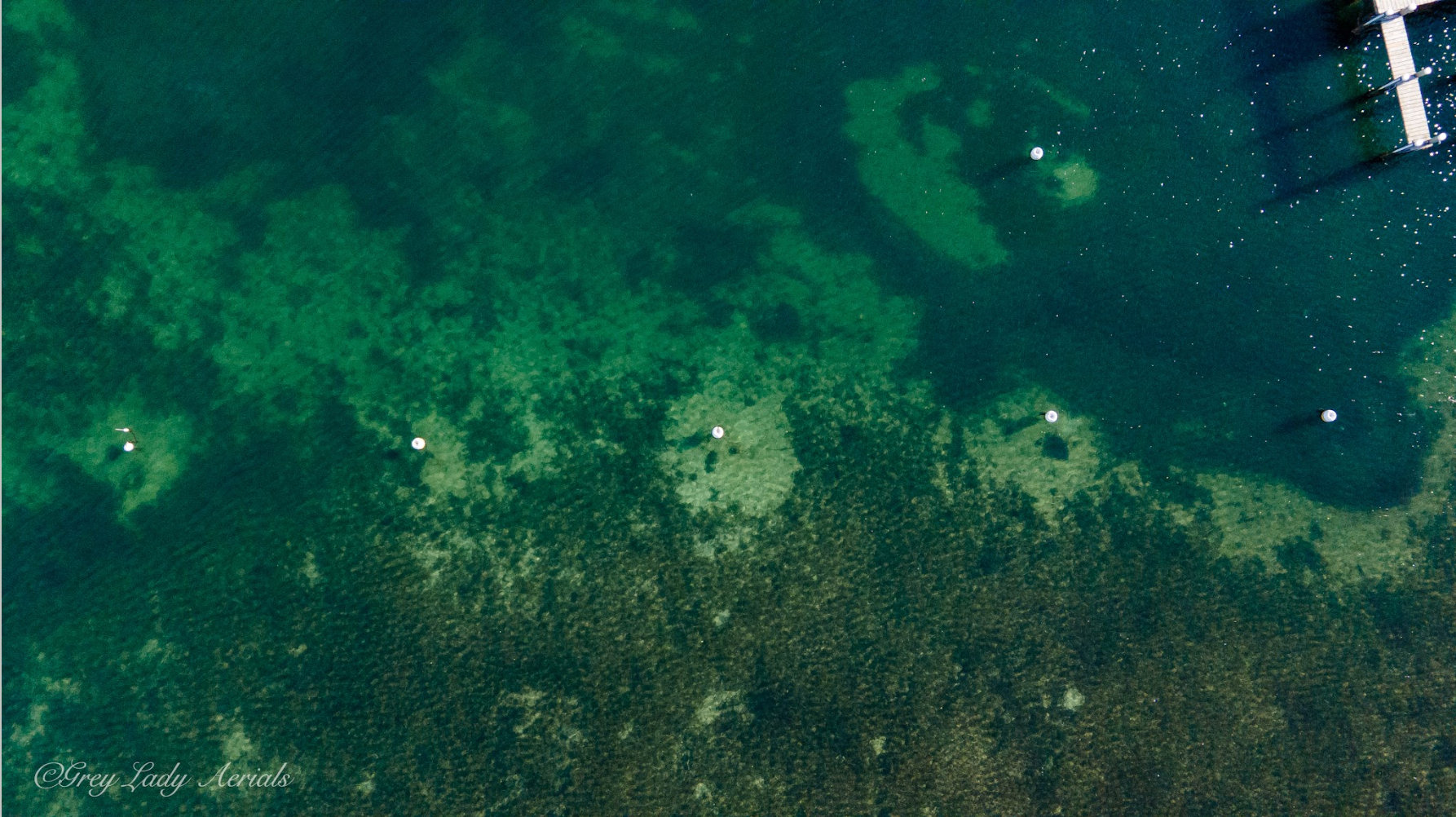
New partnership will transition conventional moorings in Monomoy to protect and restore Nantucket Harbor habitat The Nantucket Land & Water Council (NLWC) has received a generous grant from the Great Harbor Yacht Club Foundation to support the installation of eelgrass-friendly moorings in Nantucket Harbor, a major step forward in protecting one of the island’s most important marine habitats. Healthy eelgrass is essential to the vitality of Nantucket Harbor. Eelgrass meadows provide critical habitat for wild bay scallops and juvenile fish, improve water quality by filtering polluted runoff, absorb excess nutrients, store carbon, and stabilize shorelines against erosion and storm surge. Yet eelgrass in Nantucket Harbor has declined significantly in recent decades due to nutrient pollution, warming waters, and physical disturbance — including abrasion from traditional boat moorings. Since 2018, NLWC has worked with Harbormaster Sheila Lucey and her team, the Town of Nantucket and island partners on eelgrass restoration initiatives aimed at reversing this decline. One of the most practical and immediate solutions is transitioning conventional chain moorings to eelgrass-friendly systems — a key recommendation of the newly adopted Nantucket Eelgrass Management Plan. In 2022, NLWC partnered with Nantucket Harbormaster Sheila Lucey and Anderson Stillwater Moorings to design and implement an environmentally-sensitive mooring system adapted for Nantucket’s unique needs. The design uses a 300-pound pyramid anchor and an eco-rode that keeps gear suspended above the seabed, preventing the heavy chain “scouring” that destroys eelgrass beds around traditional moorings. The NLWC Waterkeeper vessel has been successfully secured using this mooring system for three consecutive seasons. Thanks to generous funding from the Great Harbor Yacht Club Foundation, NLWC and the Harbormaster’s Office will now launch a pilot program this spring, in partnership with local mooring companies, to transition up to 25 conventional moorings to eelgrass-friendly systems. Ed Orenstein, GHYC Foundation President, states: “The Foundation prioritizes projects that deliver both immediate and long-term benefits to Nantucket Harbor’s ecosystem and our community at large. These new eelgrass-friendly moorings accomplish both. We couldn’t be happier to team with NLWC on this impactful initiative and applaud Emily Molden’s leadership." NLWC will monitor the pilot sites to measure eelgrass recovery and seabed stability, with the goal of informing future harbor management decisions and expanding the program if successful. “Eelgrass is the foundation of our harbor ecosystem — without it, we lose scallops, water quality, and coastal resilience. The beauty of eelgrass-friendly moorings is that they solve a problem without restricting boating. This project shows conservation and harbor use can work together for the betterment of our environment and to the benefit of our community, and we hope it becomes a model for broader adoption.” – RJ Turcotte, Nantucket Waterkeeper The Nantucket Land & Water Council extends its sincere appreciation to the Great Harbor Yacht Club Foundation for their foresight, vision, and generous support for innovative solutions that protect the island’s land and water through science, advocacy, and community engagement.
February 4, 2026
If you feel aligned with our mission and would like to support our work through advocacy, there are many meaningful ways to get involved. You can attend local regulatory meetings, participate in and speak at Annual Town Meetings, serve as an informed environmental ambassador among friends and neighbors, rally support for articles that protect Nantucket’s natural resources, and oppose those that pose risks to their long-term health. You can also lend your voice by drafting or signing Letters to the Editor. If you’re interested in participating in our advocacy efforts as a Community Advocate, please click H ERE.
MORE NEWS