NLWC News


NLWC Launches PFAS Well Testing Reimbursement Program

October 29, 2026

The NLWC is pleased to announce the launch of our PFAS Well Testing Reimbursement Program, an initiative aimed at reducing financial barriers to drinking water testing and improving accessibility to informed drinking water decisions.


PFAS (per- and polyfluoroalkyl substances) are a group of widely used synthetic chemicals found in many everyday products. Often referred to as "forever chemicals" because of their persistence in the environment, PFAS can enter groundwater and contaminate drinking water supplies. Long-term exposure to certain PFAS has been linked to a range of adverse health effects.


For Nantucket residents who rely on private wells, testing is the only way to know whether PFAS are present in their drinking water. The Town of Nantucket Health and Human Services Department offers PFAS well testing through Barnstable County Laboratory, with test kits available at 131 Pleasant Street.

via Getty Images

To help make this important testing more accessible, NLWC is now offering reimbursements for residents with financial need who complete PFAS testing using EPA Method 537.1 through the Town's Health and Human Services Department.


How to Get Tested and Apply

Residents can pick up a PFAS testing kit from the Town of Nantucket Health and Human Services Department at 31 Pleasant Street. We recommend picking up your testing kit the week before you plan to collect your sample, as completed samples can only be returned during a limited weekly window. Water samples must be collected on Tuesday morning and returned to the Health Department that same morning between 7:30 a.m. and 9:00 a.m. For more information, visit the Town's Well Testing & Sampling webpage.


To apply for reimbursement throught the NLWC:

  1. Before testing: Open our PFAS Test Reimbursement Application and print the Proof of Purchase Form (also linked within the application).
  2. When submitting your sample: Bring the printed Proof of Purchase Form to the Health Department when returning your water sample and paying for the test. Health Department staff will stamp it to verify payment.
  3. After testing: Return to the online Reimbursement Application, complete the required information, and upload a photo or scan of your stamped Proof of Purchase Form.


All information submitted through the application will be kept confidential. Reimbursements are subject to available funding, and applicants should allow up to four weeks for checks to be processed and mailed.


For questions or assistance with the reimbursement process, please contact willa@nantucketlandwater.org.
September 10, 2026
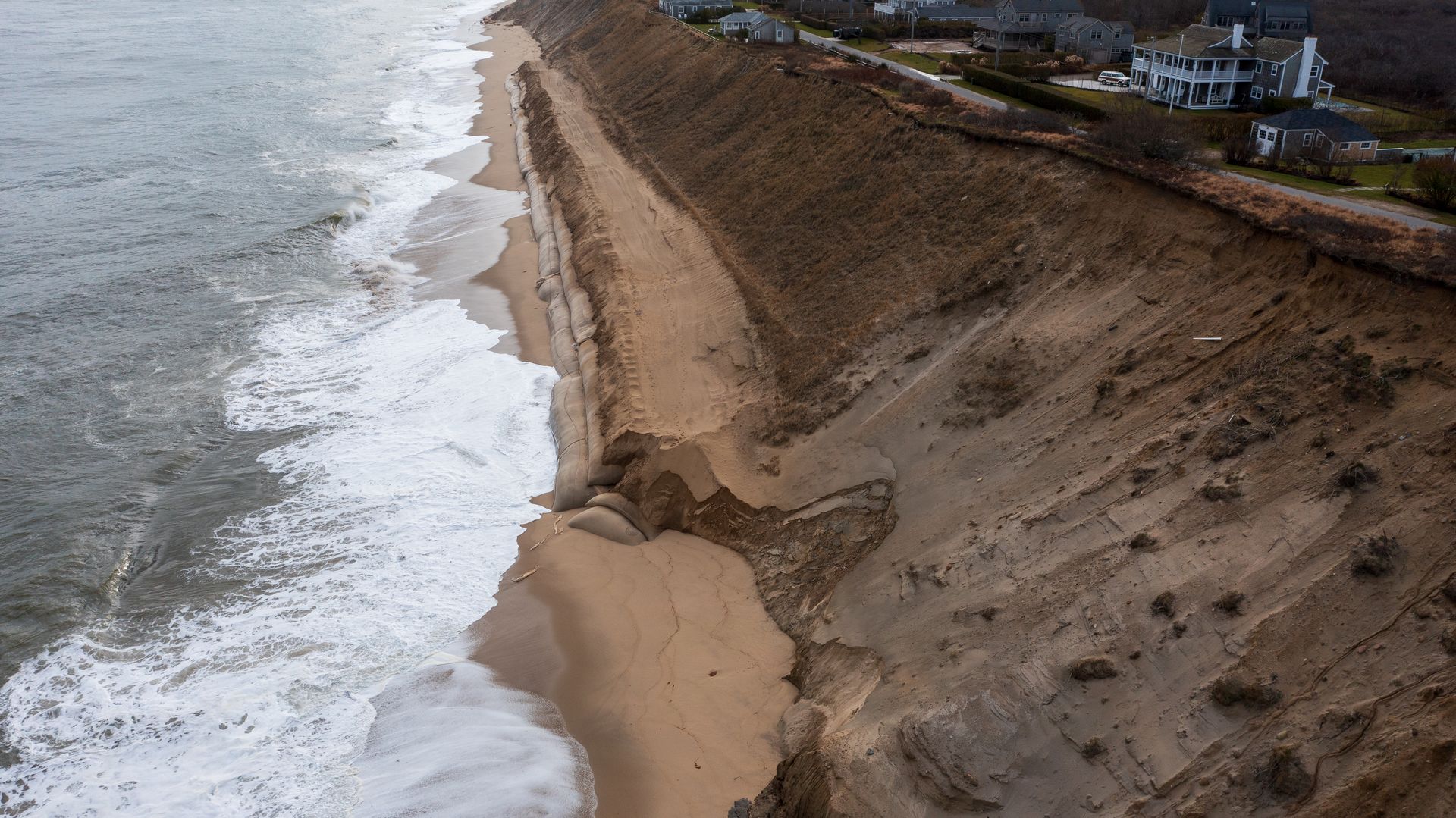
On August 31st, the Massachusetts Department of Environmental Protection (DEP) issued a letter rebuking the efforts of Siasconset Beach Preservation Fund (SBPF) to expand the geotube project on Sconset Beach . Nantucket Land & Water Council (NLWC) along with over a dozen Nantucket residents, including members of the Nantucket Coastal Conservancy (collectively “Appellants”), appealed the Conservation Commission’s March 2025 approval of an Order of Conditions for the geotube expansion. Now seventeen months later, DEP’s letter dated August 31, 2026, casts grave doubt on whether the expansion project will be approved by the state agency . T his setback follows the denial of a license for the project at Town Meeting last spring.
September 1, 2026
To the Editor,  This letter is about the water situation on the island. As the Nantucket Waterkeeper, I measure the water levels in our aquifer every month (a half-century tradition of the Nantucket Land & Water Council) at ten wells across the island from ’Sconset to Madaket. These wells are simply metal or pvc pipes installed just far enough below the surface to reach and measure the ups and downs of our aquifer. This data is used by the United States Geological Survey (USGS) and Mass Department of Environmental Protection (DEP). It's also available to the public on USGS’s website- The exact well used to determine if we’re in a drought or not is well #228 . You’ll notice that it continues to trend downward. With the exception of two very shallow wells in Madaket which have shown some recovery from recent rain, the other seven wells across the island continue to trend downward.
July 16, 2026
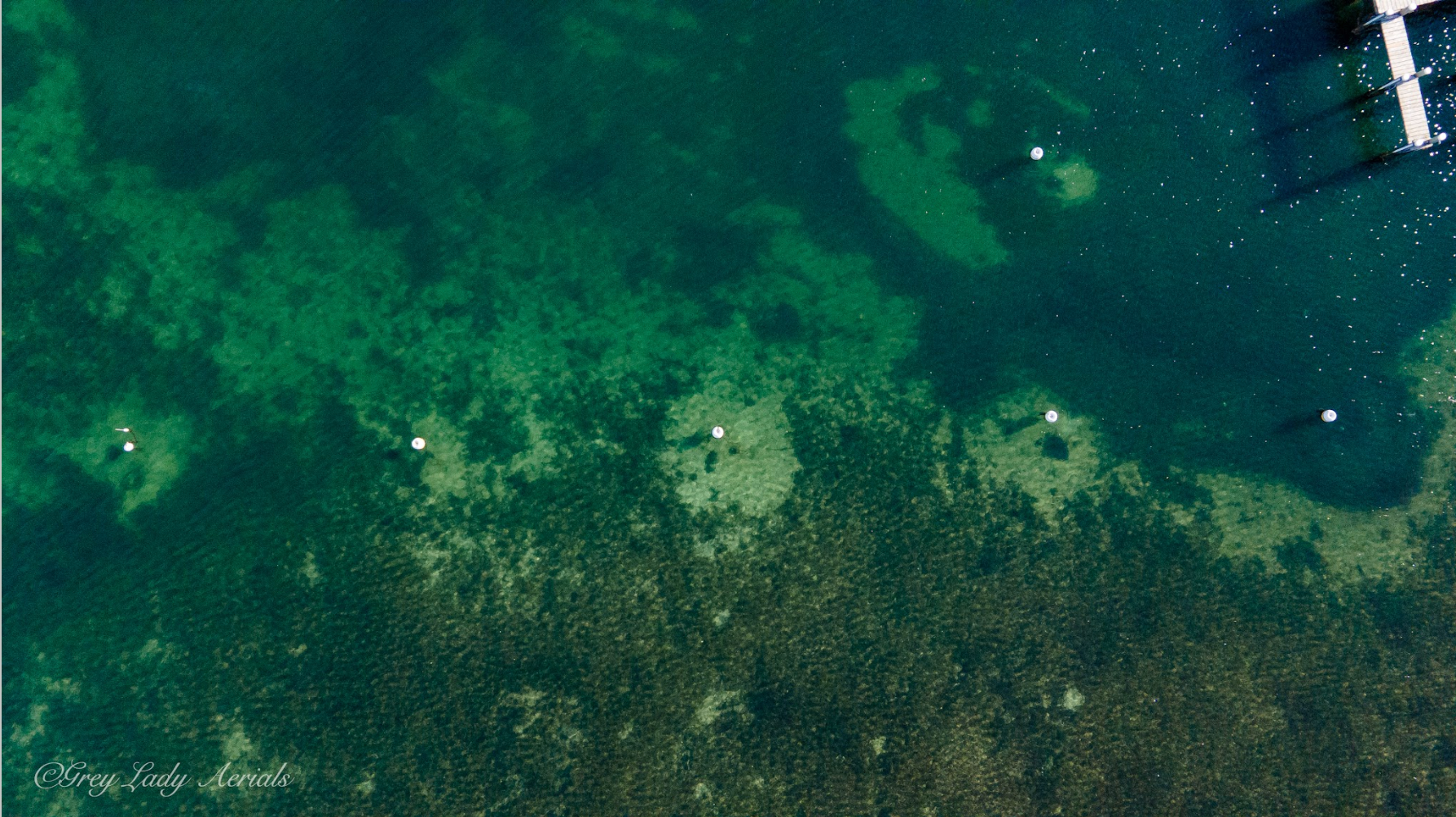
On Monday, June 29th, 2026 , the Nantucket Land & Water Council (NLWC) in collaboration with Nantucket Harbormaster Sheila Lucey , Anderson’s Stillwater Moorings , & Nantucket Mooring s, officially began installing eelgrass-friendly moorings along our testing site in Nantucket Harbor. Installation has moved forward thanks to a generous grant from the Great Harbor Yacht Club Foundation to support eelgrass-friendly moorings in Nantucket Harbor. Eelgrass is paramount to maintaining the health and fragile ecosystems within our harbor . Eelgrass meadows aid our water quality by filtering out runoff contaminants , removing excess nutrients , providing necessary habitats for wild bay scallops and juvenile fish species , and helping to combat environmental events like coastal erosion and storm surge . Traditional moorings utilize a mushroom anchor and a heavy chain that digs into the harbor floor. As wind, tides, and currents move boats and moorings, the chain drags on the harbor floor creating a circular scour – a place where eelgrass cannot grow. Eelgrass-friendly moorings are a type of mooring that protects eelgrass meadows while allowing us to continue using and enjoying our boats as we always have. The eelgrass-friendly moorings use a pyramid style Dormor anchor and an ecorode elastic rope replacing traditional chain and mushroom anchors. The elastic does not scour, allowing eelgrass to grow sustainably in our harbors.
MORE NEWS