NLWC News
Surfside Crossing Appeal Hearing Completed - NLWC Defending Clean Water for Nantucket!!
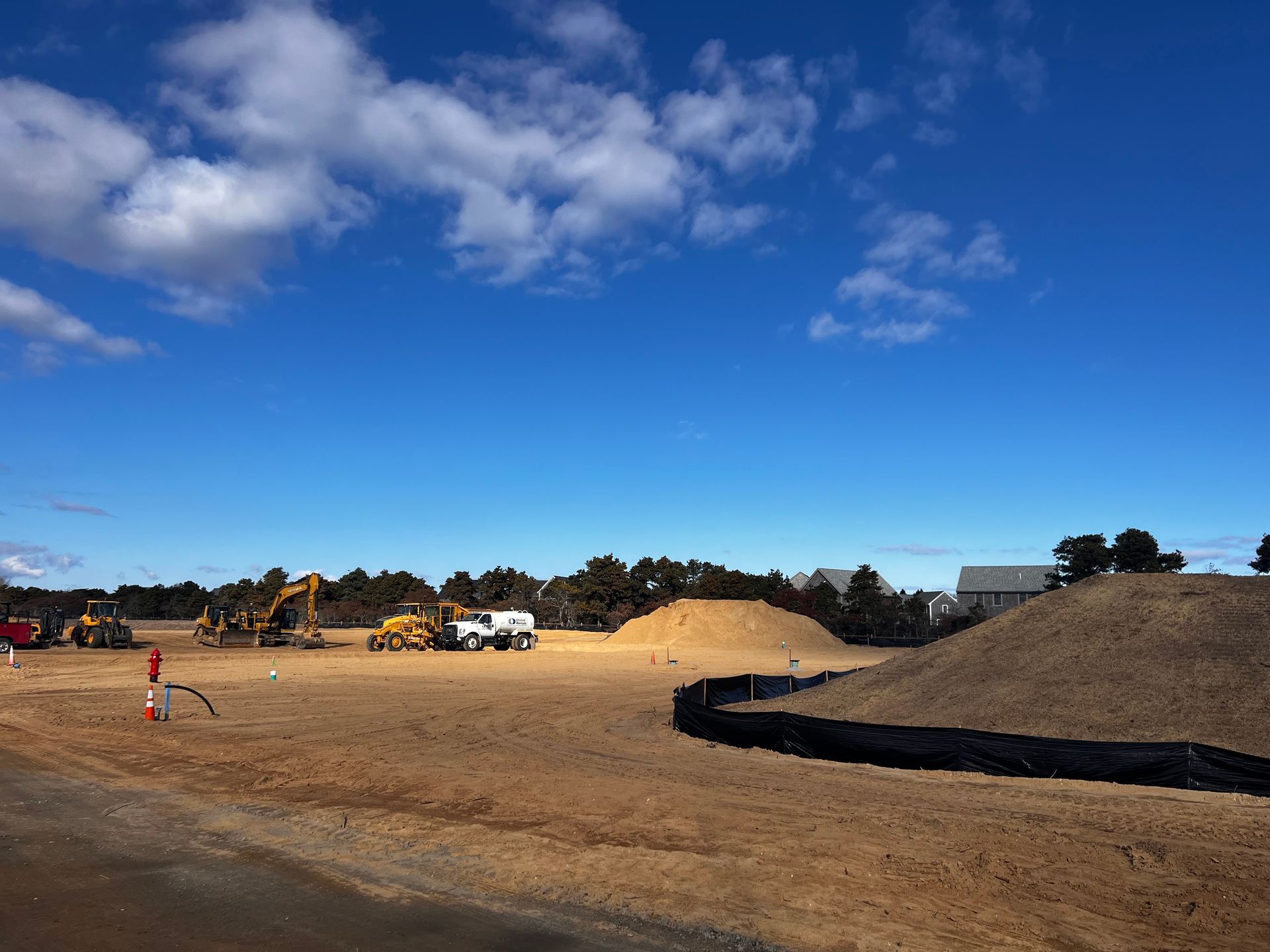
Last week, the appeal hearing for the Surfside Crossing 40B development was conducted remotely by the state’s Housing Appeals Committee (HAC). The NLWC participated as an intervening party to defend clean drinking water for Nantucket. The proposed 156 condo unit development on 13.6 acres known as Surfside Crossing (SSX) off of South Shore Rd is of inappropriate density (13 x the local zoning) and would compromise our drinking water supply. Following the comprehensive permit review by the Zoning Board of Appeals (ZBA) that took place throughout last fall and winter, the application for SSX was unanimously denied by the ZBA. This denial was subsequently appealed to the state by the developers, Jamie Feeley and Josh Posner, in April of this year.
During the comprehensive permit review last year by the ZBA, the NLWC hired an engineering expert and water quality specialist to review the project’s stormwater management plans. The review and testimony of these experts revealed that the stormwater infrastructure proposed for the Surfside Crossing development does not meet the specific state and local standards for projects within the Nantucket Wellhead Protection District (the area where groundwater contributes to the public water supply wells), or for projects that meet the state’s criteria as a Land Use of Higher Potential Pollutant Load (LUHPPL). Given recent public well contamination by elevated PFAS levels, it has become abundantly clear that these standards are incredibly important to uphold, especially for a project of this scale within our public water supply recharge area.
The local ZBA agreed with the importance of protecting clean water, and asked the developers to address the stormwater management design to ensure that it meets state and local standards and protects not only the residents and direct abutters of the development, but the public water supply that we all share. Unfortunately, the developers refused to make any changes to their proposed design, in part because it would require a reduction in the number of units to make the necessary changes, and in part because they have already installed their stormwater infrastructure, “at risk”, without the benefit of a permit, and without a water quality certificate issued by the Water Commission as required in Nantucket’s Zoning Bylaw. They simply do not want to have to take it back out of the ground.
Based on concerns for the health of the community’s drinking water, as well as other concerns relative to public safety and traffic, and considering the developers’ refusal to consider any changes whatsoever to their proposal, the ZBA unanimously denied the project.
As an intervening party in the developers’ appeal of the ZBA’s decision, he NLWC has been working closely with the counsel for the Town of Nantucket’s ZBA, and the residents group, Tipping Point, to file written testimony from the NLWC’s engineer, the ZBA’s engineer, and several water quality and PFAS subject matter experts. During the HAC hearing last week, the developers’ counsel chose not to cross-examine any of these witnesses, and so their written testimony stands unchallenged, leaving the hearing office no basis to question their expert opinions.
This hearing on the Surfside Crossing matter follows a similar appeal by developers in the Town of Walpole for a Chapter 40B development that was also denied by the Town’s ZBA due to similar concerns over improperly designed stormwater infrastructure, and the degradation of the Town of Walpole’s public water supply.
As we await a decision from the HAC, we are grateful to Nantucket’s ZBA for their due diligence during the public hearing process, and for the opportunity to prepare for the appeal hearing in partnership with Town Counsel for the ZBA, as well as the residents’ group Tipping Point.
Stay Tuned for Updates!