NLWC News
Help Protect Nantucket's Waters: Concerns with the Mass Ready Act
The Massachusetts Senate recently passed S.3064, known as the Mass Ready Act, a sweeping environmental bond bill that would invest over 3 billion dollars in climate resilience, water infrastructure, flood protection, PFAS remediation, conservation, and municipal environmental projects. Many of these investments align closely with priorities long championed by the Nantucket Land & Water Council, including funding for clean water infrastructure, climate adaptation, and the protection of natural resources.
However, several amendments added to the bill during the Senate process have raised serious concerns among environmental organizations, municipalities, conservation commissions, and clean water advocates across Massachusetts. These provisions would weaken local municipal authority to protect wetlands and water resources and would disadvantage communities like ours that have adopted stronger environmental safeguards than just those required by state law.
What’s at risk for Nantucket?
Massachusetts' environmental laws establish minimum statewide standards. For decades, municipalities have tailored those standards by adopting local regulations under their Home Rule authority, designed to address environmental conditions and vulnerabilities unique to each community. Not all Towns And Cities are alike, and none are as unique as Nantucket.
Nantucket's singular environmental conditions have shaped decades of proactive, forward-thinking local regulations. As an island thirty miles offshore, we face special challenges related to groundwater protection, nitrogen pollution, coastal flooding, and sea level rise that differ from other communities. Our local regulations have been developed over many years to address these site-specific concerns that are not fully addressed by minimal statewide standards.
The latest version of the Mass Ready Act includes several provisions that would weaken local authority to protect water resources and environmental quality. Three amendments are particularly concerning.
Sections 68 & 69: Weakening Local Wetland Protections
Sections 68 and 69 would exempt certain "priority housing" projects from local wetland regulations that are more protective than the state's Wetlands Protection Act. Because local wetland bylaws are specifically designed to address environmental concerns that exceed state minimum standards, this provision would effectively sideline local wetland protections for qualifying projects.
Treating Nantucket like every other place fails to adequately consider local environmental factors, such as our sole-source aquifer, that are unique to our offshore island community. These safeguards do not prevent development, but ensure that growth occurs in a manner that protects both public and environmental health.
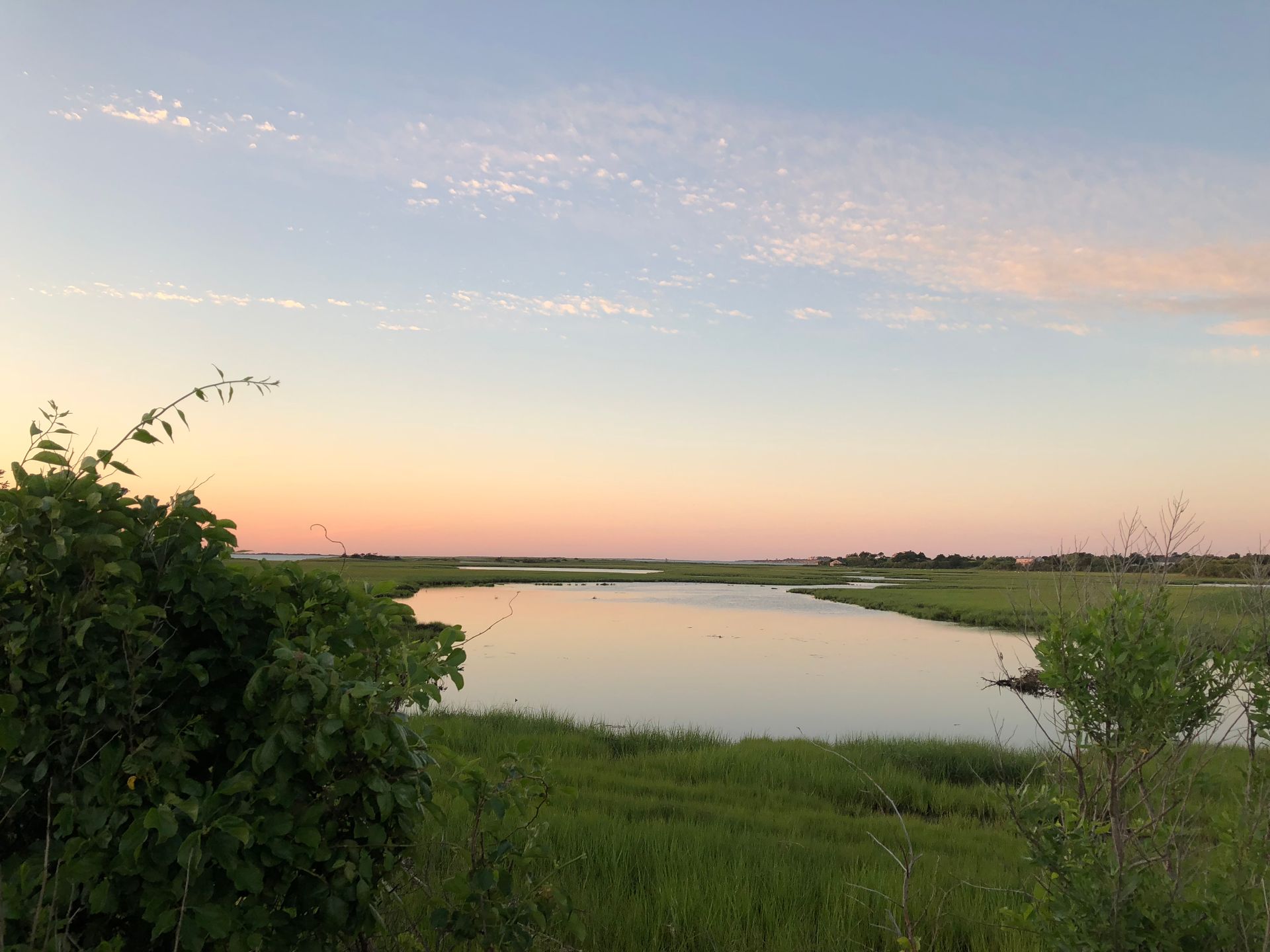
Nantucket wetlands
Section 60: Limiting Local Wastewater Protections
Section 60 would similarly exempt certain priority housing projects from local wastewater regulations that exceed state requirements. This is particularly concerning because wastewater remains one of the leading sources of water quality degradation on Nantucket.
On Nantucket, local wastewater regulations play an important role in addressing nitrogen pollution and protecting our sole-source aquifer.
Restricting the ability of communities to apply more protective wastewater standards could undermine decades of progress toward improving water quality and restoring local watersheds.
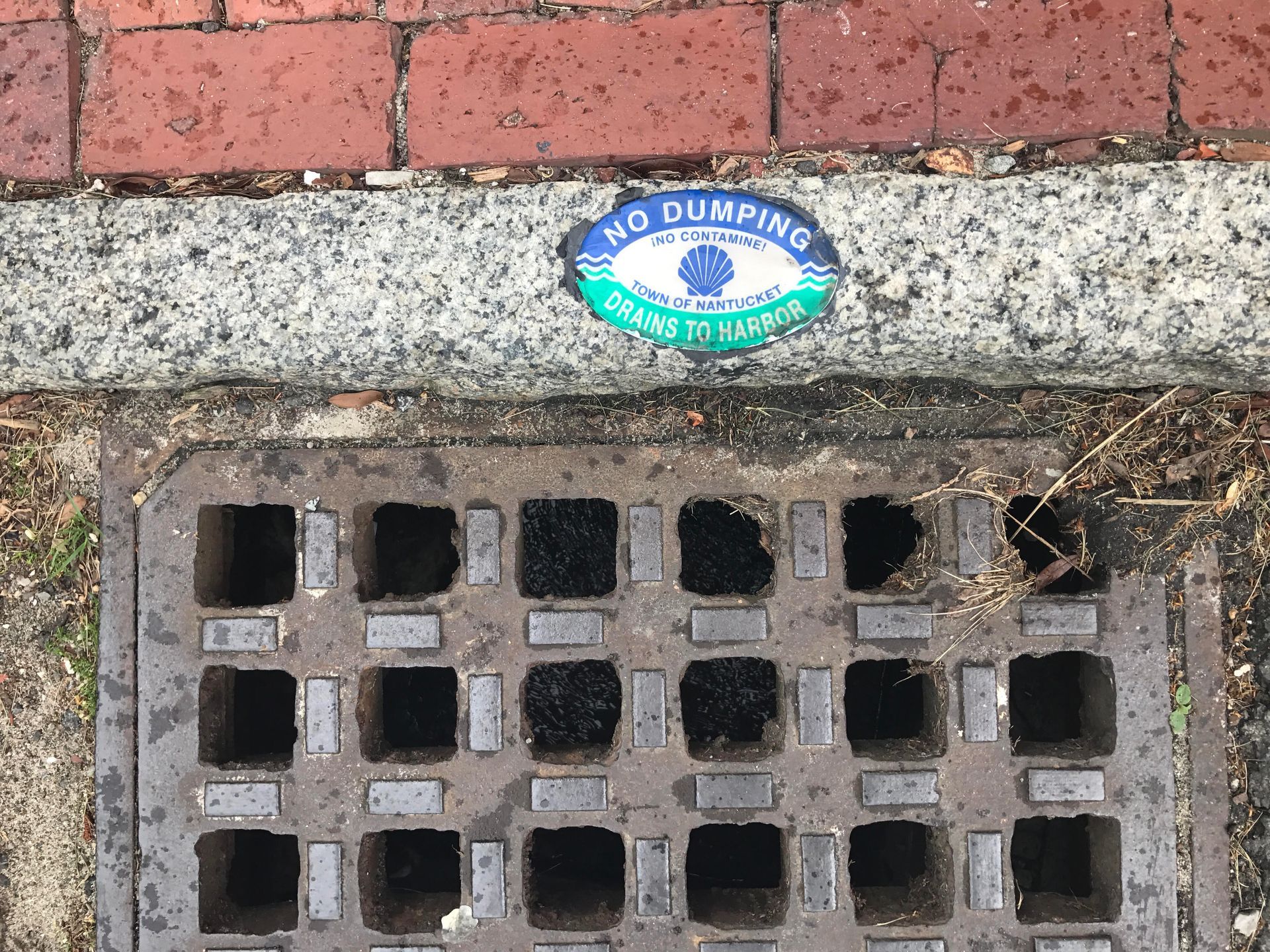
Nantucket sewer grate
Section 108: Penalizing Communities for Strong Environmental Standards
Section 108 introduces a separate concern. It rewards environmentally lax communities at the expense of places like Nantucket where robust local rules and regulations protect environmental assets. Rather than exempting projects from local regulations, it would create a "preference modifier" that gives priority for certain state grants to municipalities whose zoning, wetland, and wastewater regulations do not exceed minimum standards, setting off a race to the bottom.
This means communities like Nantucket, which have taken proactive steps to protect drinking water, wetlands, and coastal resources, would find themselves at a disadvantage when competing for funding intended to support climate resilience, clean water, and environmental restoration projects. In effect, municipalities that have invested in stronger environmental protections receive less support to continue and expand those efforts.
Housing and the Environment
Massachusetts has a housing shortage, and the Commonwealth is right to pursue policies to encourage the construction of additional housing. The NLWC recognizes the importance of expanding housing opportunities and supports efforts to address the housing crisis, but not at the expense of polluting the environment that supports the health of our community.
Unfortunately, the amendments added to the Mass Ready Act as it passed through the Senate suggest that environmental protections and housing production are incompatible, even mutually exclusive. In reality, safe, affordable housing depends on clean drinking water, effective wastewater management, and protection from flooding. Wetlands provide natural flood storage, filter pollutants, and help protect infrastructure during storms.
The discussion surrounding the Mass Ready Act should not be framed as a choice between housing and environmental protection. We need both to thrive, and cannot have one without the other.
The NLWC believes Nantucket can increase housing opportunities while maintaining the local tools necessary to protect clean water and environmental resilience. The Mass Ready Act should secure critical funding that advances both goals without undermining local regulations that protect our environment by simply removing the above amendments.
How You Can Help
The Mass Ready Act is now moving through the legislative process, and legislators need to hear from constituents who support local communities' authority to protect their drinking water, wetlands, and natural resources.
Click Here for additional information provided by the Mass Rivers Alliance about the bill, with talking points, a sample call script, and resources to help you contact your State Representative and State Senator.
Strong environmental protections and housing solutions are complementary imperatives, not mutually exclusive. We encourage residents to learn more about the issue and share their concerns with their elected officials.