NLWC News


NLWC Comments on Vineyard Wind Response Plan

June 26, 2026

As a part of the Memorandum of Understanding between the Town of Nantucket and Vineyard Wind 1, public comments were due on the Debris Infrastructure Failure Incident Response Plan Summary on Monday June 15th.
The Nantucket Land & Water Council
(NLWC) submitted a comment letter outlining the inappropriateness of providing a four page summary instead of the plan itself for the community to see, as well as deficiencies in the language provided and suggestions for improving it.
That comment letter can be found here:

NLWC VW1 Incident Plan Summary Comment Letter

Since the Plan Summary did not provide enough information to determine whether it will be adequate when the next incident occurs, we requested a copy of the plan itself from Vineyard Wind; when they did not respond, we submitted a Freedom of Information Act Request to the Bureau of Safety & Environmental Enforcement (BSEE), which, over the past year, has helped Vineyard Wind draft the document via written feedback. They have responded and are processing our request, but since it is not a BSEE document, they must first negotiate with Vineyard Wind for its release


For future updates, please stay tuned!
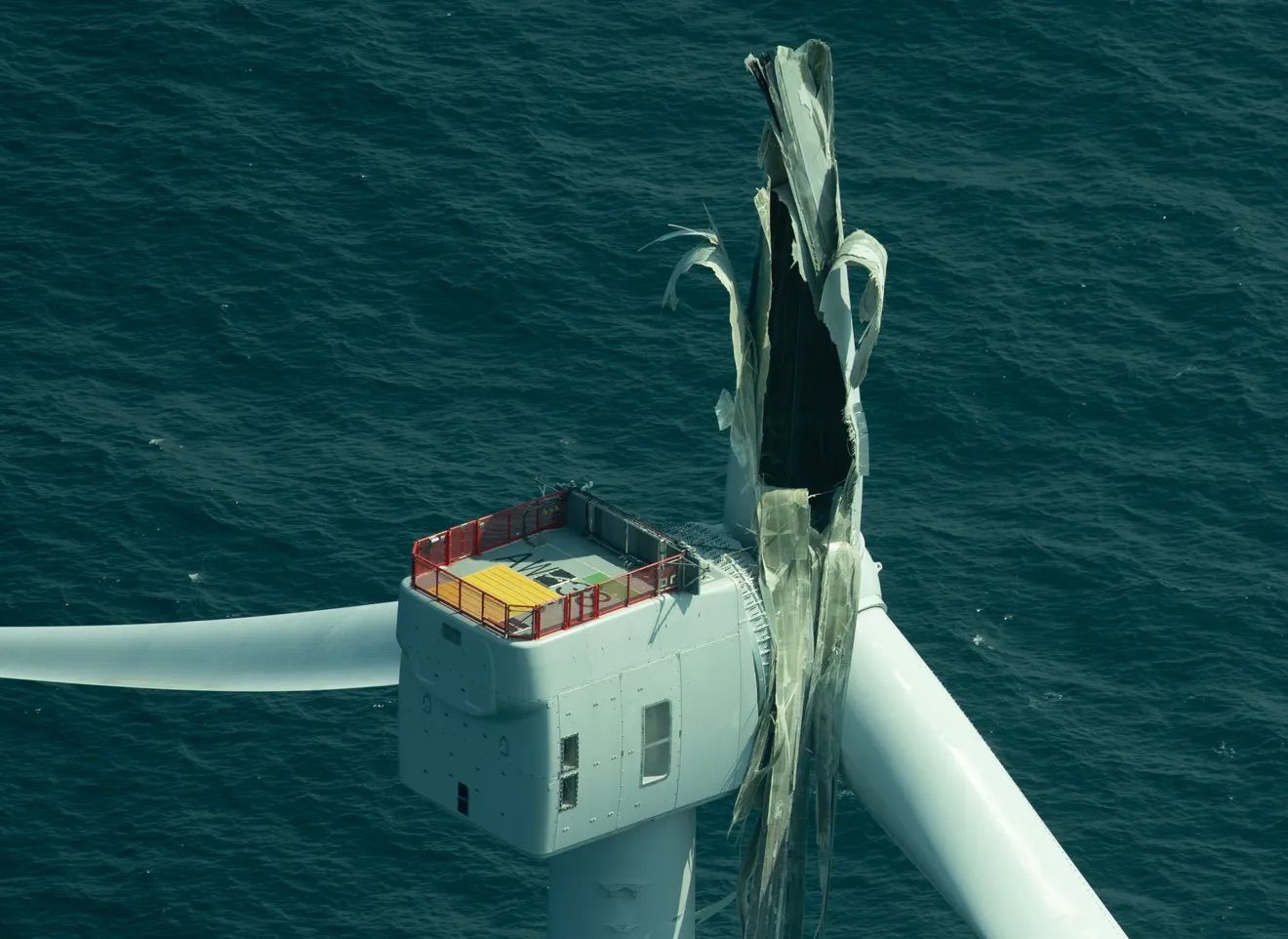
Vineyard Wind Turbine aw38
Photo by Steve Heaslip/Cape Cod Times
July 16, 2026
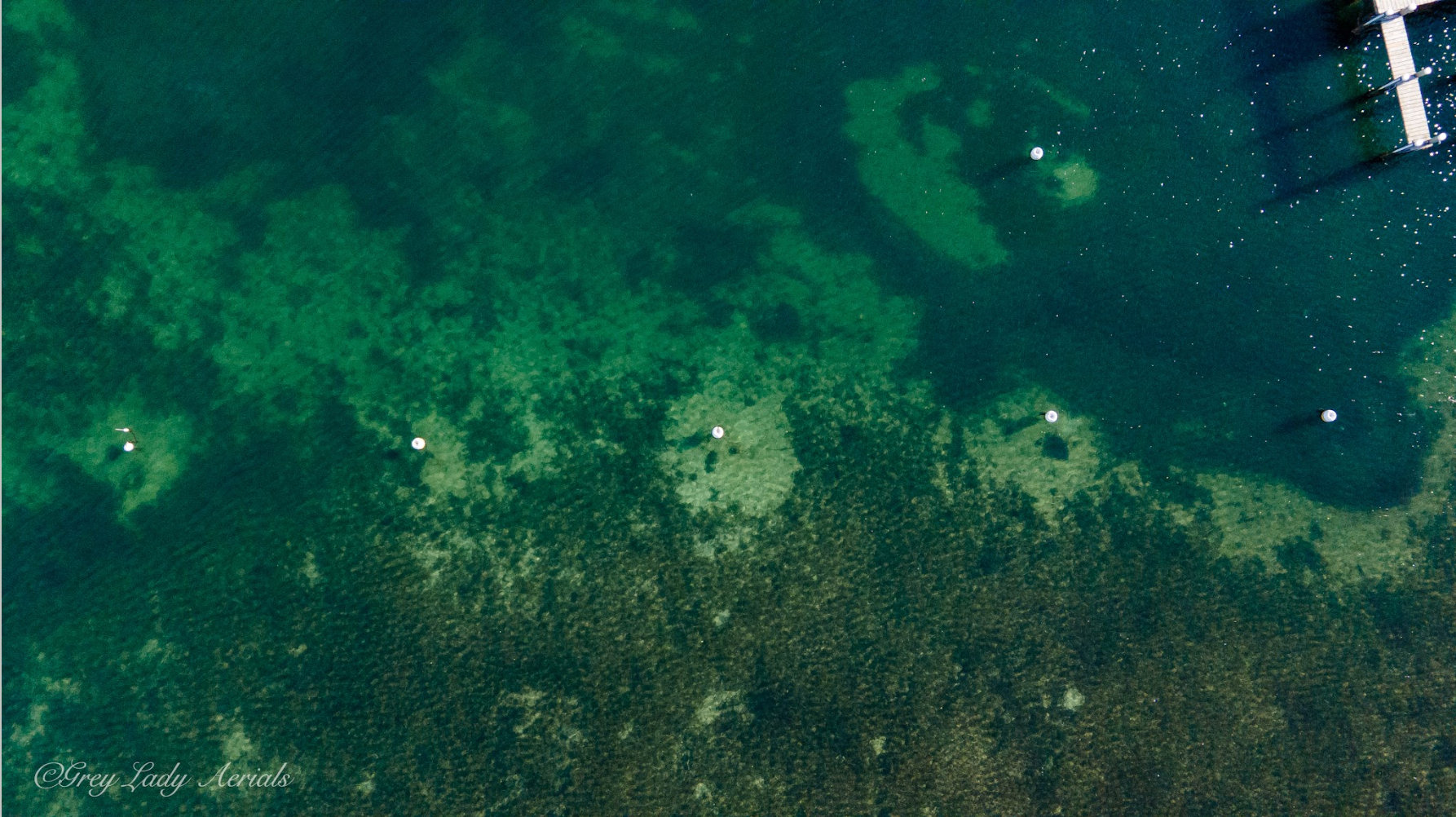
On Monday, June 29th, 2026 , the Nantucket Land & Water Council (NLWC) in collaboration with Nantucket Harbormaster Sheila Lucey , Anderson’s Stillwater Moorings , & Nantucket Mooring s, officially began installing eelgrass-friendly moorings along our testing site in Nantucket Harbor. Installation has moved forward thanks to a generous grant from the Great Harbor Yacht Club Foundation to support eelgrass-friendly moorings in Nantucket Harbor. Eelgrass is paramount to maintaining the health and fragile ecosystems within our harbor . Eelgrass meadows aid our water quality by filtering out runoff contaminants , removing excess nutrients , providing necessary habitats for wild bay scallops and juvenile fish species , and helping to combat environmental events like coastal erosion and storm surge . Traditional moorings utilize a mushroom anchor and a heavy chain that digs into the harbor floor. As wind, tides, and currents move boats and moorings, the chain drags on the harbor floor creating a circular scour – a place where eelgrass cannot grow. Eelgrass-friendly moorings are a type of mooring that protects eelgrass meadows while allowing us to continue using and enjoying our boats as we always have. The eelgrass-friendly moorings use a pyramid style Dormor anchor and an ecorode elastic rope replacing traditional chain and mushroom anchors. The elastic does not scour, allowing eelgrass to grow sustainably in our harbors.
June 12, 2026
The Massachusetts Senate recently passed S.3064 , known as the Mass Ready Act, a sweeping environmental bond bill that would invest over 3 billion dollars in climate resilience, water infrastructure, flood protection, PFAS remediation, conservation, and municipal environmental projects. Many of these investments align closely with priorities long championed by the Nantucket Land & Water Council, including funding for clean water infrastructure, climate adaptation, and the protection of natural resources. However, several amendments added to the bill during the Senate process have raised serious concerns among environmental organizations, municipalities, conservation commissions, and clean water advocates across Massachusetts. These provisions would weaken local municipal authority to protect wetlands and water resources and would disadvantage communities like ours that have adopted stronger environmental safeguards than just those required by state law. 
June 12, 2026
Nantucket has officially been designated as being in a Level 2 Drought Condition, triggering mandatory water conservation measures for properties served by Wannacomet Water. Although the current green lawns and foggy mornings of June may not make the island feel particularly dry right now, drought determinations are based on more than appearance alone . State officials evaluate long-term precipitation trends , groundwater conditions , and other indicators of water availability .
MORE NEWS