NLWC News


Nantucket is in a drought. What does that mean for you as a resident?

June 12, 2026

Nantucket has officially been designated as being in a Level 2 Drought Condition, triggering mandatory water conservation measures for properties served by Wannacomet Water.


Although the current green lawns and foggy mornings of June may not make the island feel particularly dry right now, drought determinations are based on more than appearance alone. State officials evaluate long-term precipitation trends, groundwater conditions, and other indicators of water availability.

On Nantucket, where we rely entirely on a sole-source aquifer for our drinking water, protecting groundwater is especially important. The current drought designation and associated water-use restrictions are intended to reduce demand on our aquifer, help groundwater resources recover from an extended period of below-average rainfall, and reduce the risk of more severe shortages later in the season.


Effective immediately, the following restrictions are in place for properties served by Wannacomet (Town) Water:


  • Limit all non-essential outdoor water use
  • No automatic irrigation of any kind, including drip irrigation
  • No irrigation except with a handheld hose or watering can between 5 PM and 9 AM
  • Fix indoor leaks, including toilets, faucets, and showers
  • Limit pool fills (contact Wannacomet Water for consideration @ 508-228-0022)

Drought conditions are a reminder that not all landscapes are created equal when it comes to water use.


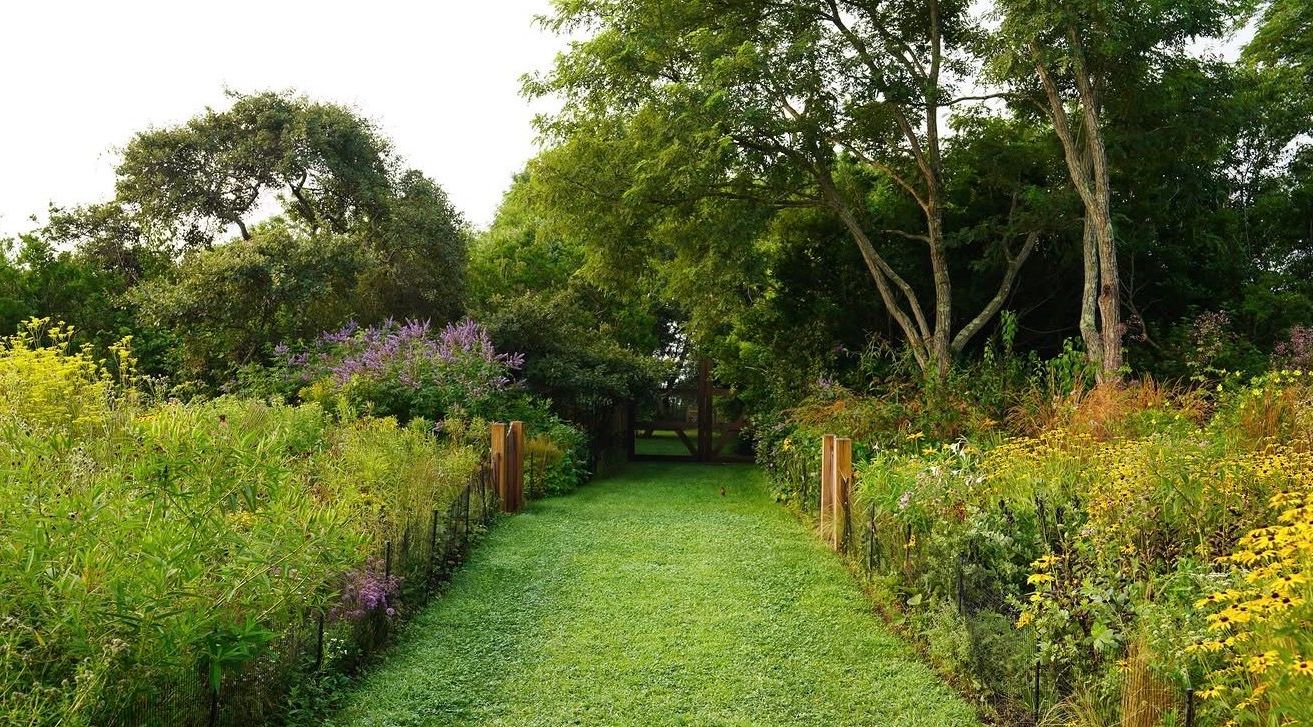
One of the best ways to build a more resilient yard is to incorporate native plants. Native grasses, wildflowers, shrubs, and trees have evolved to thrive in Nantucket's sandy soils and seasonal dry periods, often requiring far less watering once established than conventional landscapes.

Photo by Kit Noble

Small changes can make a big difference. The Nantucket Land & Water Council recommends moving toward a landscape that works with Nantucket's natural conditions. Doing so will enhance your property’s capacity to handle drought, support local wildlife, and help conserve our shared water resources.


Together, we can Grow Native for Nantucket!

Even if your property is served by a private well, reducing water use helps protect the shared aquifer that all Nantucket residents depend on. As the island’s environmental advocate, the Nantucket Land & Water Council is encouraging everyone to do their part to conserve water and help safeguard this critical resource.
September 10, 2026
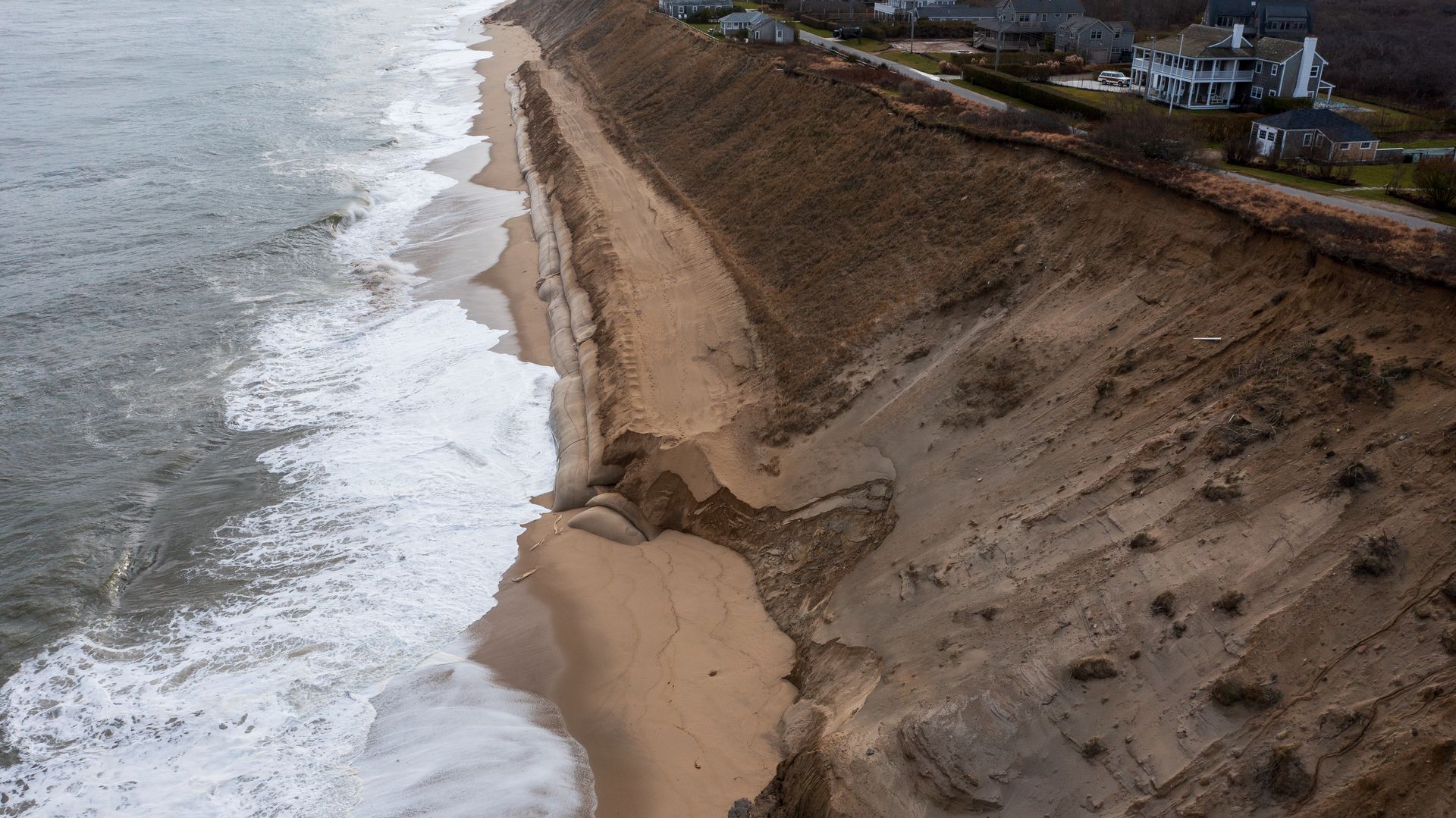
On August 31st, the Massachusetts Department of Environmental Protection (DEP) issued a letter rebuking the efforts of Siasconset Beach Preservation Fund (SBPF) to expand the geotube project on Sconset Beach. Nantucket Land & Water Council (NLWC) along with over a dozen Nantucket residents, including members of the Nantucket Coastal Conservancy (collectively “Appellants”), appealed the Conservation Commission’s March 2025 approval of an Order of Conditions for the geotube expansion. Now seventeen months later, DEP’s letter dated August 31, 2026, casts grave doubt on whether the expansion project will be approved by the state agency. This setback follows the denial of a license for the project at Town Meeting last spring.
September 1, 2026
To the Editor,  This letter is about the water situation on the island. As the Nantucket Waterkeeper, I measure the water levels in our aquifer every month (a half-century tradition of the Nantucket Land & Water Council) at ten wells across the island from ’Sconset to Madaket. These wells are simply metal or pvc pipes installed just far enough below the surface to reach and measure the ups and downs of our aquifer. This data is used by the United States Geological Survey (USGS) and Mass Department of Environmental Protection (DEP). It's also available to the public on USGS’s website- The exact well used to determine if we’re in a drought or not is well #228 . You’ll notice that it continues to trend downward. With the exception of two very shallow wells in Madaket which have shown some recovery from recent rain, the other seven wells across the island continue to trend downward.
July 16, 2026
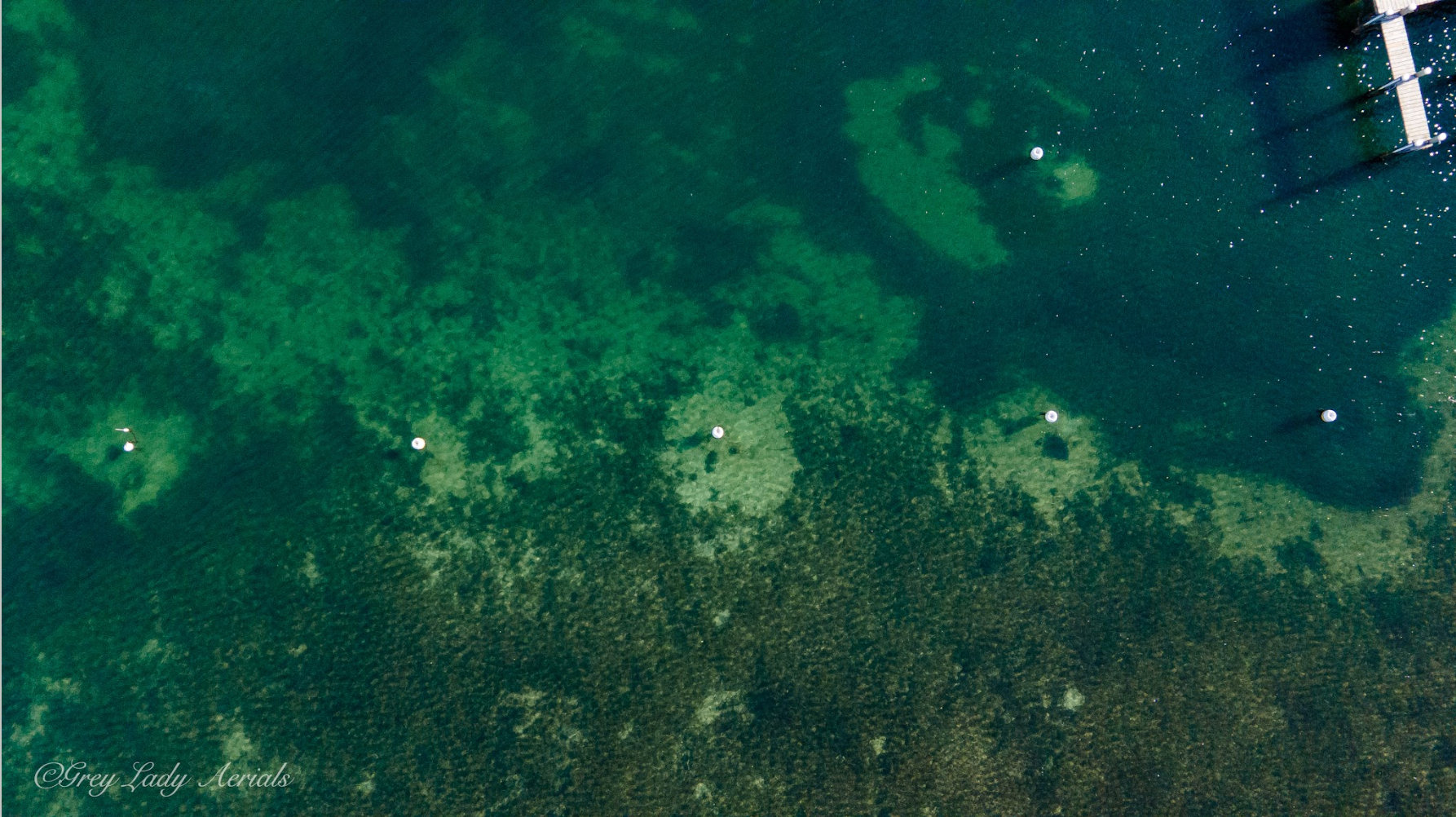
On Monday, June 29th, 2026 , the Nantucket Land & Water Council (NLWC) in collaboration with Nantucket Harbormaster Sheila Lucey , Anderson’s Stillwater Moorings , & Nantucket Mooring s, officially began installing eelgrass-friendly moorings along our testing site in Nantucket Harbor. Installation has moved forward thanks to a generous grant from the Great Harbor Yacht Club Foundation to support eelgrass-friendly moorings in Nantucket Harbor. Eelgrass is paramount to maintaining the health and fragile ecosystems within our harbor . Eelgrass meadows aid our water quality by filtering out runoff contaminants , removing excess nutrients , providing necessary habitats for wild bay scallops and juvenile fish species , and helping to combat environmental events like coastal erosion and storm surge . Traditional moorings utilize a mushroom anchor and a heavy chain that digs into the harbor floor. As wind, tides, and currents move boats and moorings, the chain drags on the harbor floor creating a circular scour – a place where eelgrass cannot grow. Eelgrass-friendly moorings are a type of mooring that protects eelgrass meadows while allowing us to continue using and enjoying our boats as we always have. The eelgrass-friendly moorings use a pyramid style Dormor anchor and an ecorode elastic rope replacing traditional chain and mushroom anchors. The elastic does not scour, allowing eelgrass to grow sustainably in our harbors.
MORE NEWS