NLWC News
WATCH: A Conversation On PFAS
May 20, 2024
Watch: A Conversation on PFAS by clicking here.
On February 13, 2024 we heard from, Analytical Chemist Kristen Mello, Dr. Courtney Carignan of Michigan State University, and Dr. Timothy Lepore of Nantucket, to better understand the background and effects of PFAS.
Presentations were given on the studies centered on PFAS currently being conducted on Nantucket as well as the impacts PFAS can have on human health. Following these presentations, there was a brief question and answer portion where community members voiced questions and concerns about this complicated and developing issue.
You can watch the presentation by clicking here.

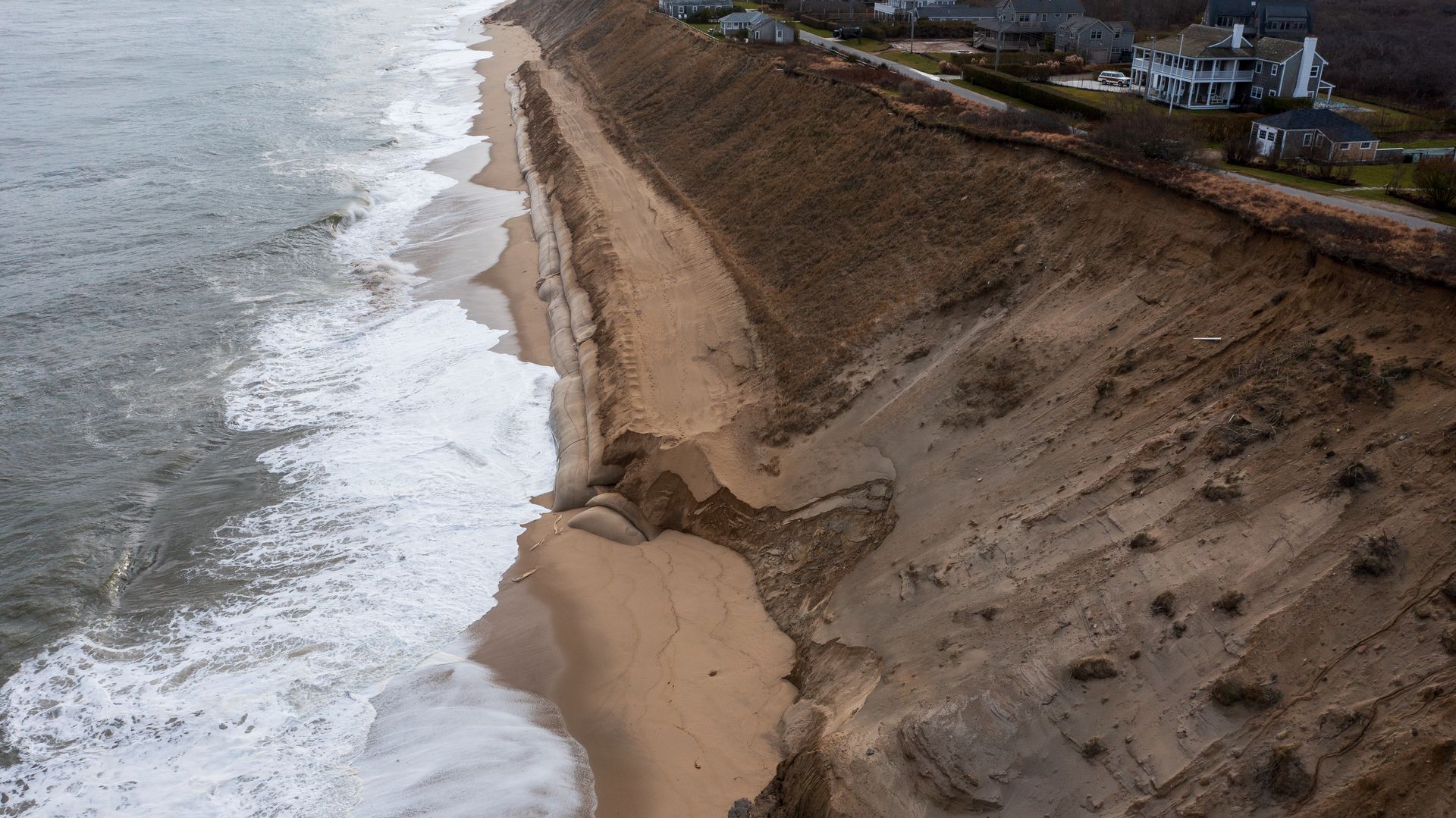
On August 31st, the Massachusetts Department of Environmental Protection (DEP) issued a letter rebuking the efforts of Siasconset Beach Preservation Fund (SBPF) to expand the geotube project on Sconset Beach . Nantucket Land & Water Council (NLWC) along with over a dozen Nantucket residents, including members of the Nantucket Coastal Conservancy (collectively “Appellants”), appealed the Conservation Commission’s March 2025 approval of an Order of Conditions for the geotube expansion. Now seventeen months later, DEP’s letter dated August 31, 2026, casts grave doubt on whether the expansion project will be approved by the state agency . T his setback follows the denial of a license for the project at Town Meeting last spring.
To the Editor, This letter is about the water situation on the island. As the Nantucket Waterkeeper, I measure the water levels in our aquifer every month (a half-century tradition of the Nantucket Land & Water Council) at ten wells across the island from ’Sconset to Madaket. These wells are simply metal or pvc pipes installed just far enough below the surface to reach and measure the ups and downs of our aquifer. This data is used by the United States Geological Survey (USGS) and Mass Department of Environmental Protection (DEP). It's also available to the public on USGS’s website- The exact well used to determine if we’re in a drought or not is well #228 . You’ll notice that it continues to trend downward. With the exception of two very shallow wells in Madaket which have shown some recovery from recent rain, the other seven wells across the island continue to trend downward.
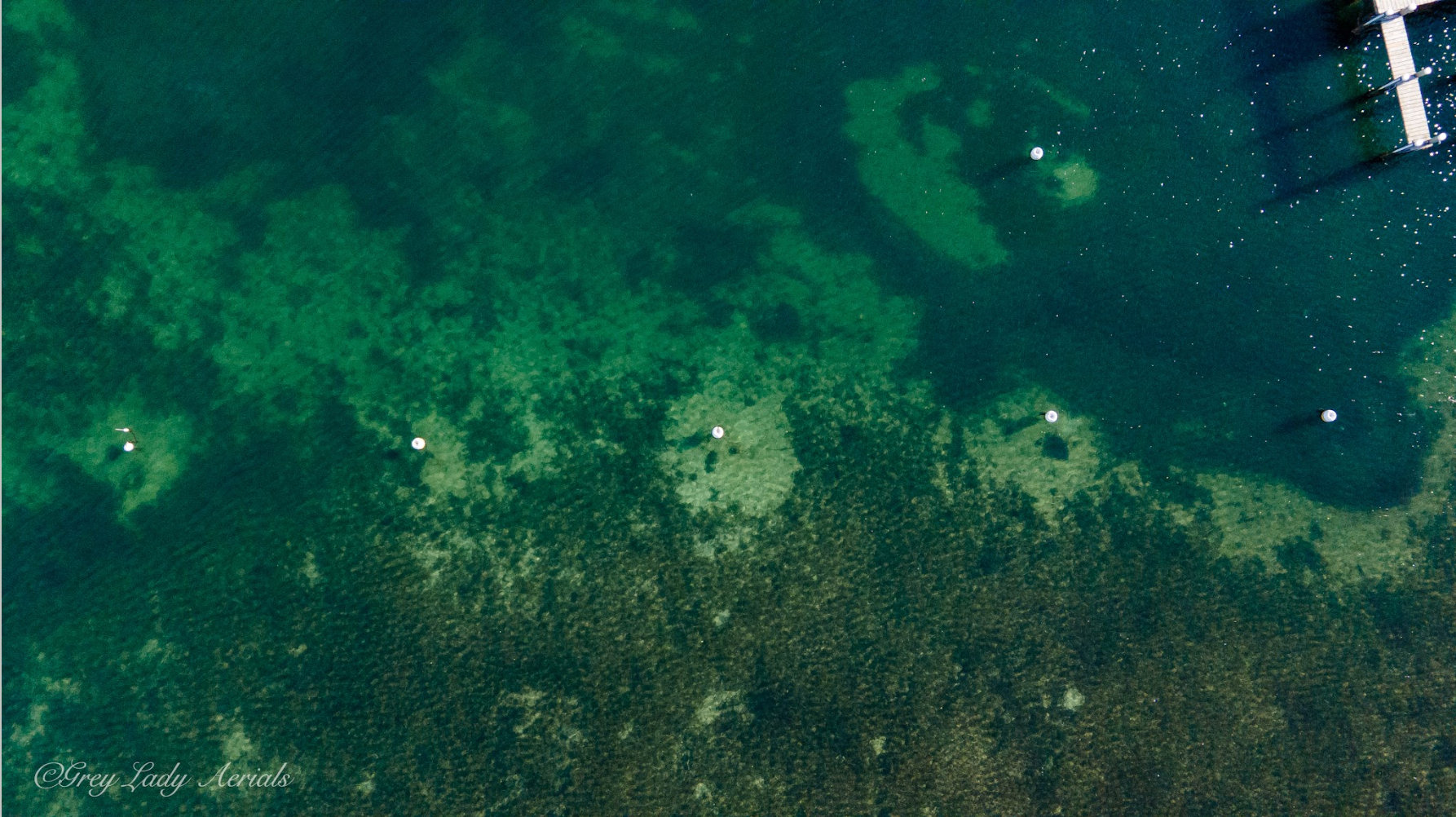
On Monday, June 29th, 2026 , the Nantucket Land & Water Council (NLWC) in collaboration with Nantucket Harbormaster Sheila Lucey , Anderson’s Stillwater Moorings , & Nantucket Mooring s, officially began installing eelgrass-friendly moorings along our testing site in Nantucket Harbor. Installation has moved forward thanks to a generous grant from the Great Harbor Yacht Club Foundation to support eelgrass-friendly moorings in Nantucket Harbor. Eelgrass is paramount to maintaining the health and fragile ecosystems within our harbor . Eelgrass meadows aid our water quality by filtering out runoff contaminants , removing excess nutrients , providing necessary habitats for wild bay scallops and juvenile fish species , and helping to combat environmental events like coastal erosion and storm surge . Traditional moorings utilize a mushroom anchor and a heavy chain that digs into the harbor floor. As wind, tides, and currents move boats and moorings, the chain drags on the harbor floor creating a circular scour – a place where eelgrass cannot grow. Eelgrass-friendly moorings are a type of mooring that protects eelgrass meadows while allowing us to continue using and enjoying our boats as we always have. The eelgrass-friendly moorings use a pyramid style Dormor anchor and an ecorode elastic rope replacing traditional chain and mushroom anchors. The elastic does not scour, allowing eelgrass to grow sustainably in our harbors.