NLWC News


The NLWC Advocates for Appropriate Mitigation of Existing Geotubes

Anna Day • January 10, 2025

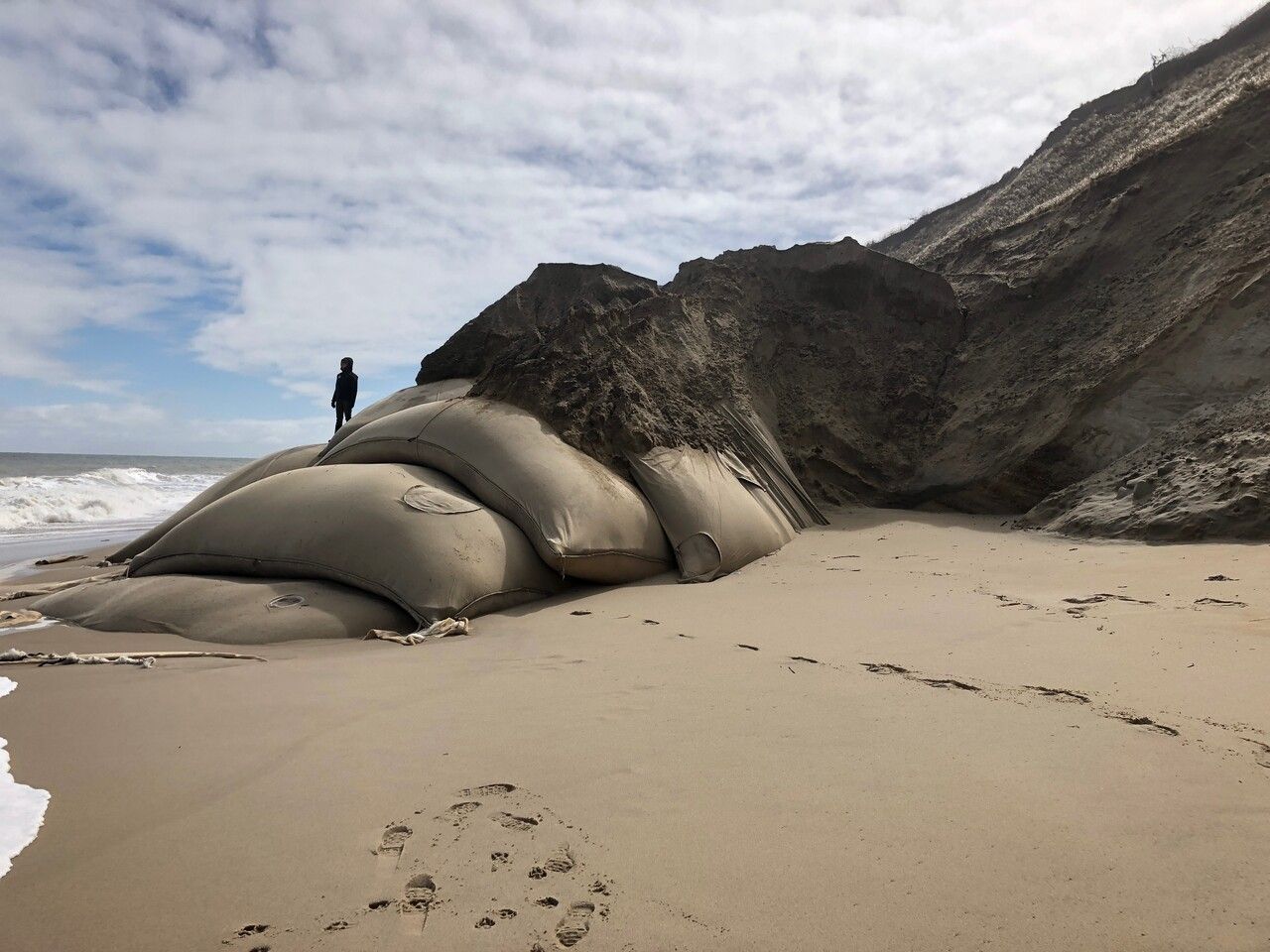
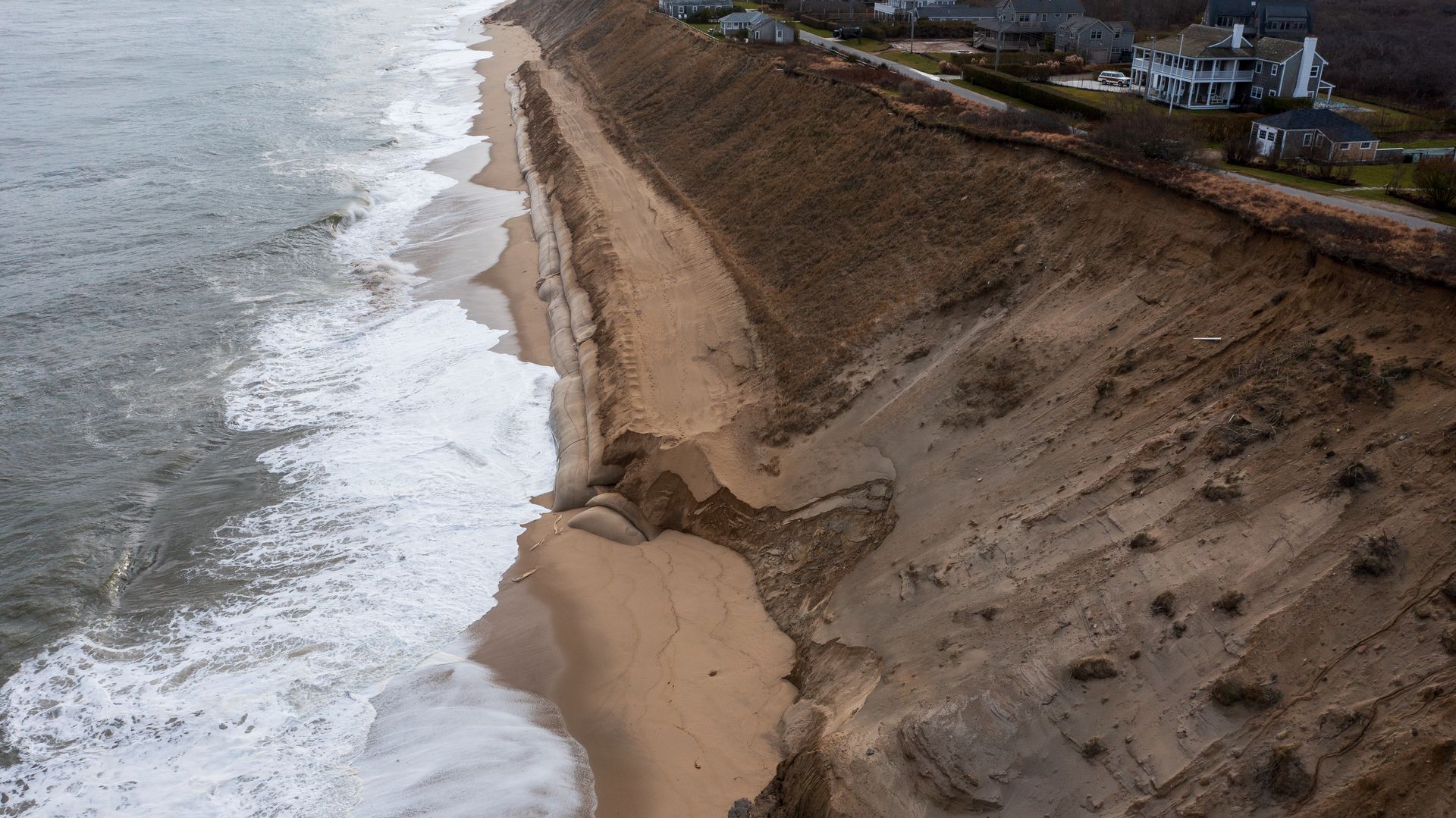
The Conservation Commission recently signaled their likely approval of a positive permit for the geotube expansion project proposed jointly by SBPF and the Town of Nantucket. As data collected by project consultants indicates, the geotubes are detrimental to the environment, increasing the erosion on surrounding beaches. The NLWC takes the strong position that there are much more appropriate and less harmful alternatives, especially given that the Town’s engineers have determined the relocation of Baxter Road can be completed by 2027.


The fact is that the existing stretch of geotubes remain out of compliance with the current permit issued by the Conservation Commission due to SBPF’s failure to provide the required mitigation sand. It has been demonstrated by two independent coastal engineering experts that the failure to contribute the required mitigation (a sand deficit now well over 100,000 cubic yards) has already resulted in significant damage to the Town-owned coastal beach as well as privately owned properties to the north. This includes existing and increased future risk to the Lighthouse property. This violation of SBPF’s permit resulted in a removal order which was upheld by Superior Court, and is still outstanding.


The Draft Order Of Conditions, which the Commission is currently deliberating, includes a finding (#17) that states this new permit will replace the removal order. However, the Draft OOC does not contain any specific information on how SBPF and the Town, as co-applicants, will be required to account for the immense and growing deficit of sand. We have asked the Commission to specifically discuss this matter at their next public hearing (scheduled for January 15th).


If a positive OOC is issued, and a requirement to contribute the missing volume of sand is not clarified, SBPF will be rewarded with an expansion of the geotubes that they have failed to maintain in compliance with their current permit. Environmental permitting that considers negative impacts to natural resources always follows the premise of first avoiding adverse impacts, if those impacts cannot be avoided they must be minimized, and if adverse impacts cannot be avoided or minimized they must be mitigated. The entire permitting process is broken if an applicant is allowed to negatively impact multiple resource areas in such a significant way without mitigating those impacts. The mitigation conditioned in the previous permit was determined with SBPF’s own data, supported by MA DEP, and agreed to by SBPF. In the meantime SBPF and the Town are proposing to quadruple the size of this project.


If the Conservation Commission does not condition this permit to require the addition of adequate mitigation sand to account for the full deficit, it will be the most egregious violation of a wetlands permit I have ever seen in my two decades of reviewing hundreds of projects. The Commission should not be complicit in its lack of enforcement. This would set a precedent that is simply unconscionable for a regulatory entity. We are looking to the Conservation Commission to ensure that this does not happen.


As a co-applicant, the Town will ultimately also be responsible for the implementation and enforcement of this permit. As owners of the coastal beach and bank that has already been damaged by the existing installation, they should also be insisting that the full deficit of sand be provided by SBPF prior to new construction. The Town should also ensure that they are not ultimately left with the liability for providing this sand which was the prior responsibility of SBPF.


Town Administration and the Select Board (as co-applicants), and the Conservation Commission as our regulatory authority must set the right example and precedent and follow through on appropriate enforcement of the geotubes that already exist before allowing any more to be constructed. Should they fail to do so, the damage to our coastal environment and resources will be irreparable.


Emily Molden

Executive Director, Nantucket Land & Water Council


The next Conservation Commission Public Hearing on the proposed geotube expansion is Wednesday, January 15th 10:00am-12:00pm in the Trailer at 131 Pleasant Street.
This is paragraph text. Click it or hit the Manage Text button to change the font, color, size, format, and more. To set up site-wide paragraph and title styles, go to Site Theme.

April 29, 2026
The Nantucket Land & Water Council has completed our annual reviews of the warrant in advance of the 2026 Annual Town Meeting in order to provide comments and recommendations on articles that impact the health of our island environment . Our review is conducted in the context of our mission to preserve the long term health of Nantucket's environment and community through the protection of our land and water resources.
February 25, 2026
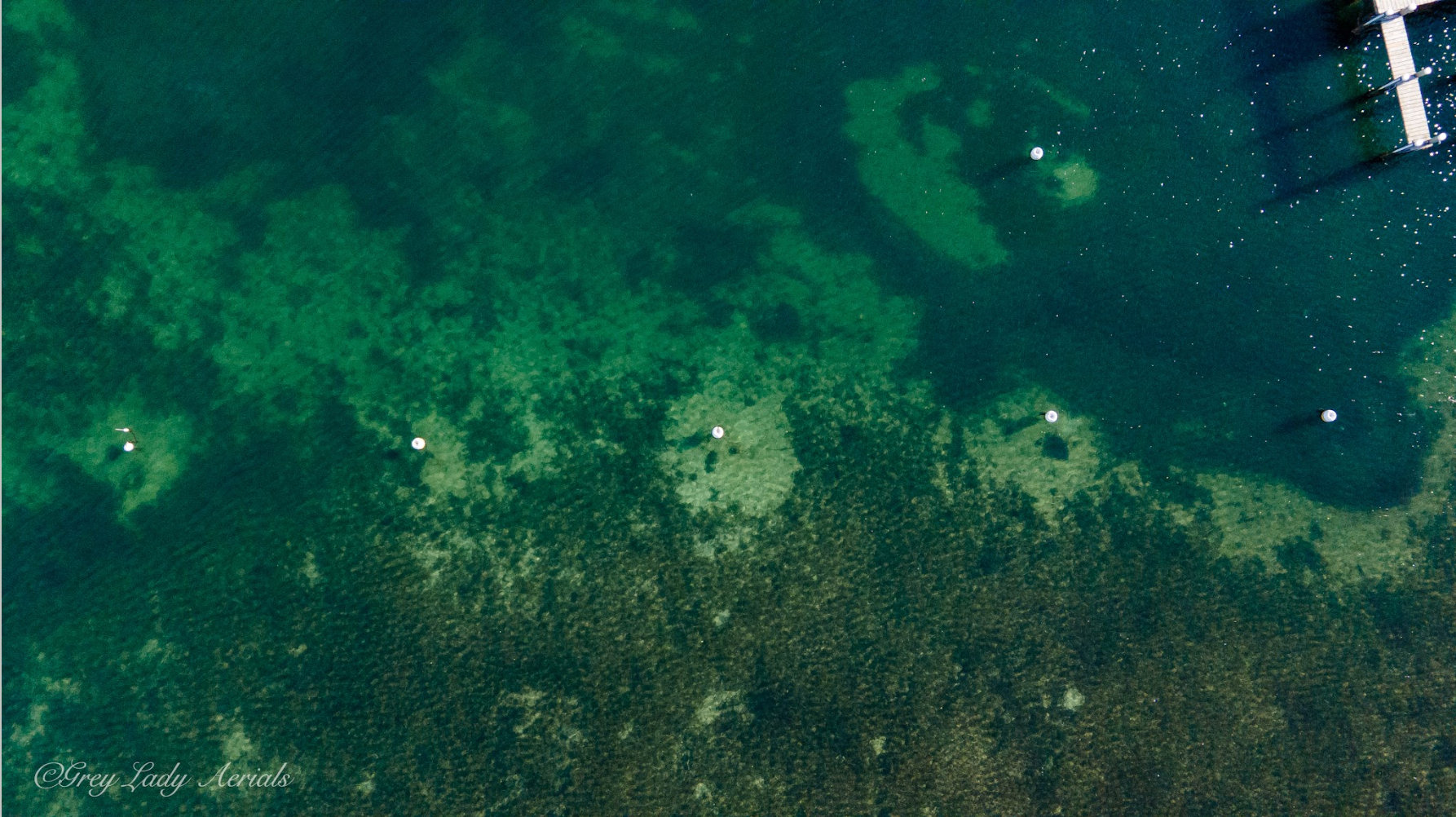
New partnership will transition conventional moorings in Monomoy to protect and restore Nantucket Harbor habitat The Nantucket Land & Water Council (NLWC) has received a generous grant from the Great Harbor Yacht Club Foundation to support the installation of eelgrass-friendly moorings in Nantucket Harbor, a major step forward in protecting one of the island’s most important marine habitats. Healthy eelgrass is essential to the vitality of Nantucket Harbor. Eelgrass meadows provide critical habitat for wild bay scallops and juvenile fish, improve water quality by filtering polluted runoff, absorb excess nutrients, store carbon, and stabilize shorelines against erosion and storm surge. Yet eelgrass in Nantucket Harbor has declined significantly in recent decades due to nutrient pollution, warming waters, and physical disturbance — including abrasion from traditional boat moorings. Since 2018, NLWC has worked with Harbormaster Sheila Lucey and her team, the Town of Nantucket and island partners on eelgrass restoration initiatives aimed at reversing this decline. One of the most practical and immediate solutions is transitioning conventional chain moorings to eelgrass-friendly systems — a key recommendation of the newly adopted Nantucket Eelgrass Management Plan. In 2022, NLWC partnered with Nantucket Harbormaster Sheila Lucey and Anderson Stillwater Moorings to design and implement an environmentally-sensitive mooring system adapted for Nantucket’s unique needs. The design uses a 300-pound pyramid anchor and an eco-rode that keeps gear suspended above the seabed, preventing the heavy chain “scouring” that destroys eelgrass beds around traditional moorings. The NLWC Waterkeeper vessel has been successfully secured using this mooring system for three consecutive seasons. Thanks to generous funding from the Great Harbor Yacht Club Foundation, NLWC and the Harbormaster’s Office will now launch a pilot program this spring, in partnership with local mooring companies, to transition up to 25 conventional moorings to eelgrass-friendly systems. Ed Orenstein, GHYC Foundation President, states: “The Foundation prioritizes projects that deliver both immediate and long-term benefits to Nantucket Harbor’s ecosystem and our community at large. These new eelgrass-friendly moorings accomplish both. We couldn’t be happier to team with NLWC on this impactful initiative and applaud Emily Molden’s leadership." NLWC will monitor the pilot sites to measure eelgrass recovery and seabed stability, with the goal of informing future harbor management decisions and expanding the program if successful. “Eelgrass is the foundation of our harbor ecosystem — without it, we lose scallops, water quality, and coastal resilience. The beauty of eelgrass-friendly moorings is that they solve a problem without restricting boating. This project shows conservation and harbor use can work together for the betterment of our environment and to the benefit of our community, and we hope it becomes a model for broader adoption.” – RJ Turcotte, Nantucket Waterkeeper The Nantucket Land & Water Council extends its sincere appreciation to the Great Harbor Yacht Club Foundation for their foresight, vision, and generous support for innovative solutions that protect the island’s land and water through science, advocacy, and community engagement.
February 4, 2026
If you feel aligned with our mission and would like to support our work through advocacy, there are many meaningful ways to get involved. You can attend local regulatory meetings, participate in and speak at Annual Town Meetings, serve as an informed environmental ambassador among friends and neighbors, rally support for articles that protect Nantucket’s natural resources, and oppose those that pose risks to their long-term health. You can also lend your voice by drafting or signing Letters to the Editor. If you’re interested in participating in our advocacy efforts as a Community Advocate, please click H ERE.
MORE NEWS